The Impact of Outsourcing Die-Cutting Services on Manufacturing
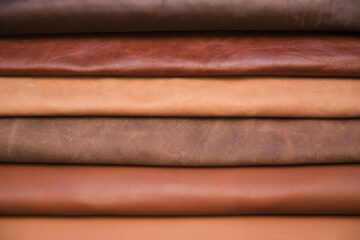
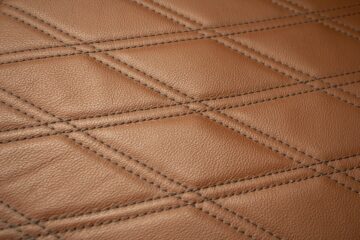
Die-cutting is the process of using a custom-shaped die and press to cut precise, repeatable pieces from leather, fabric, or other soft goods materials. Each cut has to be perfectly identical. Even a small variation can change how pieces align during sewing, affecting both the appearance and the structural integrity of the final product. The question most soft goods brands face is not whether to use die-cutting, but whether to do it in-house or partner with a manufacturer who already has the equipment, tooling, and trained operators to handle it.
Why Brands Outsource Die-Cutting
Setting up in-house die-cutting capacity is a significant commitment. It requires a press (or multiple presses), a library of dies for each product and component, a skilled operator who understands material behavior, and ongoing maintenance. For brands that are not running continuous high-volume production, that investment rarely makes financial sense.
Outsourcing transfers that overhead to a manufacturing partner who already carries it. The cost of operating the equipment is distributed across many clients and many projects, which means the per-unit cost for any individual brand is lower than what they would pay running their own operation. Those savings can go back into materials, product development, or marketing, the activities that actually differentiate a brand in the market.
A contract manufacturer that specializes in die-cutting will also have a wider range of dies and press configurations available, more experience in troubleshooting yield problems, and a deeper understanding of how different leathers and fabrics behave under pressure. That expertise is difficult to replicate in-house without years of accumulated production experience.
What Brands Gain From the Right Manufacturing Partner
Access to current technology
Specialized manufacturers invest in keeping their equipment updated because it is their core business. Brands that outsource benefit from those investments without bearing the capital cost. This is especially relevant for techniques like dieless cutting, which uses oscillating knife-cutting tables to eliminate physical dies entirely for certain projects, offering faster turnaround on design iterations and lower setup costs for short runs.
Scalability without fixed overhead
Production needs change. A fashion or accessories brand may need much higher volumes ahead of a product launch and lower volumes during slower seasons. An outsourced partner can flex with those changes. A brand running its own press cannot scale down without wasting fixed capacity, and cannot scale up quickly without a capital purchase.
Shorter lead times
Contract die-cutting operations run optimized workflows because efficiency is how they stay competitive. Brands plugging into that infrastructure typically see faster turnaround than they would manage with an internal operation that handles cutting alongside everything else.
Consistent quality
Experienced die-cutting operations maintain tight tolerances by design. The machinery is calibrated, the operators are trained, and the quality checks are built into the workflow. For a brand where every component has to match, that consistency matters more than almost anything else.
Challenges to Manage
Outsourcing die-cutting is not without tradeoffs. Understanding them up front makes them manageable.
Quality control requires active oversight
A good manufacturing partner will have robust internal QC processes, but brands should not assume those processes are sufficient on their own. Establishing clear specifications, approving first-article samples before production begins, and conducting periodic audits are standard practices for managing quality across any outsourced relationship. The goal is consistency, and achieving it requires communication from both sides.
Communication has to be deliberate
When die-cutting happens in-house, the team absorbing production feedback is the same team making production decisions. That feedback loop does not exist automatically with an outside partner. Brands need to invest in the communication side of the relationship: clear specs, timely approvals, and an open channel to raise issues before they become production problems.
Supply chain disruptions require contingency planning
Any reliance on an external partner introduces the possibility that their capacity, materials, or operations are affected by disruptions outside your control. Working with a partner that has both domestic and overseas capabilities gives brands more options when conditions change, whether that means tariff shifts, shipping delays, or capacity constraints in one market.
Frequently Asked Questions
What is die-cutting in manufacturing?
Die-cutting is a process that uses a custom-shaped die and a press to cut materials into precise, repeatable shapes. In soft goods manufacturing, it is used to cut leather, fabric, and other flexible materials into consistent components for bags, straps, patches, wallets, and similar products. It is faster and more accurate than hand-cutting and is essential for maintaining quality at any real production volume.
What are the benefits of outsourcing die-cutting services?
Outsourcing die-cutting eliminates the need to invest in presses, dies, and trained operators in-house. Brands gain access to specialized equipment and expertise, faster turnaround times, and the ability to scale production up or down without carrying fixed overhead. It also provides access to advanced techniques like dieless cutting that may not be practical to run internally.
What materials can be die-cut?
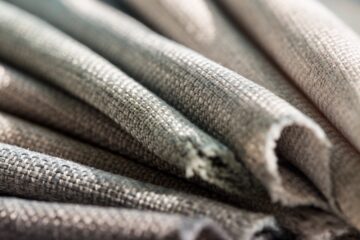
Die-cutting works across a wide range of soft goods materials, including leather, leather substitutes, canvas, nylon, Cordura, waxed canvas, foam, mesh, rubber, and fabric. The right die and press configuration depend on the material thickness, the complexity of the shape, and the required production volume.
How do I choose a die-cutting manufacturing partner?
Look for a manufacturer with direct experience in your material category, the tooling and press capacity to handle your volume, and a clear quality control process. It is also worth evaluating whether they offer complementary services like cut and sew manufacturing, so you are not coordinating across multiple vendors for the same product.
Choosing the Right Manufacturing Partner
The value of outsourcing die-cutting depends almost entirely on which partner you choose. The right partner is not just a vendor with a press. It is a manufacturer with genuine experience in soft goods, an understanding of how materials behave, and the operational infrastructure to deliver consistent quality at the volume you need.
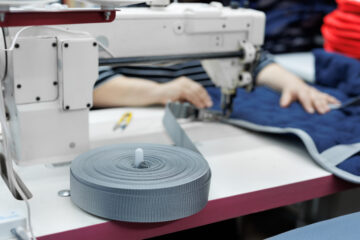
Softline Brand Partners operates die-cutting capacity at its domestic facility in Minneapolis, with overseas production capabilities as well. Softline works across leather, leather substitutes, canvas, nylon, Cordura, and other soft goods materials, handling everything from small leather components to large upholstery panels, and offers cut and sew manufacturing for brands that need full-service production under one roof. For brands evaluating whether to outsource die-cutting, contact Softline Brand Partners to discuss your project and explore what a manufacturing partnership looks like in practice.