Vegan Leather and Its Benefits
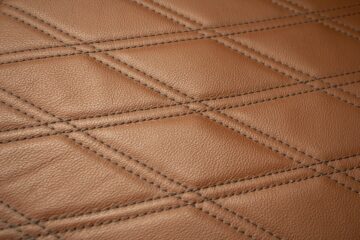
Vegan leather is made without animal products, typically from plant materials such as pineapple, cactus, mushroom, or apple, or from synthetic polymers like polyurethane and PVC. In small-goods manufacturing, plant-based vegan leather has earned a real place in the materials conversation. It mimics the look and feel of traditional leather, opens up new design options, and supports the sustainability story brands increasingly need to tell.
This article focuses on plant-based vegan leather: what it is, how it compares to animal leather in terms of cost and durability, and why a growing number of brands are spec’ing it into their soft goods programs.
Advantages of Using Plant-Based Leather in Small Goods Manufacturing
There are real reasons brands are moving toward plant-based leather:
- Plant-based leathers tend to have a lower environmental footprint than traditional animal leather.
- Vegan leather is typically less expensive to produce than premium animal hides.
- Plant-based leather can rival animal leather for durability in many product applications.
- Vegan leather is uniform without scars, bug bites, or natural defects, which makes cutting yields predictable.
Why Sustainable Products Are Easier to Sell
One of the strongest commercial arguments for vegan leather is consumer demand. Animal agriculture remains a significant contributor to greenhouse gas emissions, and the chemical-heavy tanning processes used in traditional leather production carry their own environmental costs. Plant-based vegan leather is often produced using cleaner methods.
A study by First Insight and the Baker Retailing Center at the Wharton School of the University of Pennsylvania found that consumers across all generations are willing to pay more for sustainable products. Among Gen X, around 90% said they would pay at least 10% more. The top motivations cited were helping the environment, reducing production waste, lowering carbon footprints, and protecting animal welfare.
Brands like Patagonia and Native Shoes have built their reputations on eco-conscious positioning, and larger brands are following suit. Major fashion houses, including Gucci, have launched proprietary plant-based leather alternatives in their own collections. The green technology and sustainability market has been one of the fastest-growing categories in consumer goods, and that growth has lifted plant-based leather along with it.
For small goods manufacturers, the takeaway is straightforward: spec’ing plant-based leather into a product line gives brands a marketable, defensible sustainability story.
How does the price of plant-based leather compare to traditional leather?
Generally, plant-based vegan leather is less expensive than premium animal leather. Plants like pineapple, cactus, and apple require less land, water, and time to mature than cattle, and many plant-based leathers are made from agricultural waste streams that would otherwise be discarded. Piñatex, for example, is made from waste pineapple leaves and creates a secondary income stream for farmers in pineapple-growing regions.
Mushroom leather has attracted interest from major fashion brands but has historically come in at premium price points comparable to fine calf leather. Production technology is still scaling, and pricing is expected to evolve as it matures. Other plant-based options like cactus, pineapple, apple, and cereal-crop-based materials have established more accessible price points and are easier to source for production-volume programs.
Pricing comparisons shift as suppliers scale, so any brand evaluating a specific material should get a current quote from its contract manufacturer rather than relying on published rates.
How does the durability of plant-based leather compare to animal leather?
Premium animal leather is hard to beat for long-term durability. A well-cared-for full-grain hide can last for decades. But animal leather has its limits: it is sensitive to changes in temperature and humidity, can develop stretch marks over time, and requires specialized care.
Vegan leather earned a tough reputation in the past, largely because PVC leather cracks under sustained wear. Plant-based leather is a different story. Piñatex draws strength from the high cellulose content and tensile strength of pineapple leaves, producing a material that holds up well in handbags, wallets, and accessories. Desserto® cactus leather has performed reliably across daily-wear products, balancing flexibility and strength in a way that suits leather goods well.
A few practical differences brands should know when evaluating plant-based leather alongside traditional leather grades:
- Appearance. Animal leather has natural visual imperfections that some brands market as character. Plant-based leather offers a more uniform finish.
- Long-term durability. Premium animal leather generally outlasts plant-based options under decades of heavy use. Plant-based leather is less delicate in the short term, especially when it comes to scuffs and scratches.
- Cleaning. Animal leather needs specialized leather care products. Plant-based leather can usually be cleaned with milder alcohol-based products.
- Malleability. Animal leather stretches and shrinks naturally. Plant-based leather holds its shape, but can be structurally damaged by excessive manipulation.
For most small leather goods (wallets, cardholders, handbag panels, accessory details), plant-based leather’s uniformity and consistent finish make it a strong, marketable choice.
Drawbacks to Using Plant-Based Leather in Small Goods Manufacturing
Plant-based leather is not a fit for every product. A few things to weigh:
- The category is still maturing. New sources and formulations are released regularly, which is exciting but means quality and availability can vary.
- Some plant-based leathers feel less breathable or absorbent than animal leather. Premium animal leather softens and develops a patina; plant-based leather holds its initial hand feel.
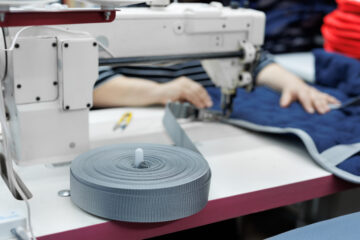
- Working with plant-based leather can require adjustments to cutting and sewing setups. The material can be less forgiving of pattern-making errors than traditional leather.
That said, materials like Desserto® cactus leather have addressed many of the historical weaknesses of vegan leather. Flexible, durable, and cuttable across a wide range of leather goods, it shows what mature plant-based leather can deliver.
Can a contract manufacturer work with vegan leather?
Yes. Softline Brand Partners works with both traditional leather and plant-based leather alternatives, and we source materials for brands evaluating either path. A vertically integrated custom leather goods manufacturing partner handles material sourcing, sampling, and production planning, so your team does not need to negotiate with a separate textile supplier.
Frequently asked questions
What is vegan leather made of?
Vegan leather is made from plant-based materials (cactus, pineapple, apple, mushroom, cereal crops) or synthetic polymers such as polyurethane and PVC. Plant-based vegan leather is the category most relevant to brands building a sustainability story.
Is vegan leather as durable as real leather?
It depends on the type. Plant-based leather, such as Desserto® and Piñatex, performs well in everyday small leather goods. Premium animal leather still outlasts most alternatives over decades of heavy use, but plant-based options compete strongly within typical product lifespans.
Is vegan leather more sustainable than animal leather?
Plant-based vegan leather generally has a lower environmental footprint than animal leather, especially when sourced from agricultural waste streams. Synthetic vegan leather (PVC and PU) is more complicated…petroleum-based and less biodegradable.
Can vegan leather be used for handbags and wallets?
Yes. Plant-based leather is well-suited to handbags, wallets, cardholders, and accessory details, and several major brands have launched production programs using cactus, pineapple, and apple leathers.
Call Softline Today
Plant-based leather has earned its place in small goods manufacturing for the sustainability story, the cost dynamics, and the design consistency it brings. With materials like Desserto® cactus leather now production-ready, brands have access to durable, marketable alternatives that meet the standards customers expect.
By Softline Brand Partners — Talk to us about custom leather goods manufacturing.