Leather Edge Finishing: Burnishing, Painting, and Sealing for Small Leather Goods
The edges of a leather product may seem like a small detail, but they have a significant impact on how customers perceive quality. Clean, well-finished edges communicate craftsmanship, while unfinished or poorly executed edges can make even premium leather look incomplete. Understanding the differences between burnished, painted, and sealed edges will help you choose a finish that matches your brand, product category, and manufacturing goals.
What Is Leather Edge Finishing?
Leather edge finishing is the process of treating the exposed edges of cut leather after the product has been assembled. The goal is to create an edge that is both attractive and durable. Depending on the design, edge finishing may:
- Improve appearance
- Reduce fraying or fiber separation
- Increase resistance to everyday wear
- Create a smoother feel
- Reinforce the overall perception of quality
Different finishing methods create very different visual styles, which is why edge finishing should be considered early in product development rather than after the design is complete.
Why Edge Finishing Matters More Than Brands Realize
Customers interact with leather edges every time they pick up a wallet, open a notebook cover, or carry a leather tote. Because these edges are touched so frequently, they often become one of the first indicators of craftsmanship. A carefully finished edge can elevate an otherwise simple product, while rough or inconsistent edges can make a premium design feel unfinished.
Edge finishing also contributes to long-term durability. Properly finished edges help protect exposed fibers from repeated handling, reducing wear over the life of the product. The best edge treatment depends on the leather, construction method, intended use, and aesthetic your brand wants to achieve.
Burnishing: The Heritage Method
Burnishing is one of the oldest and most recognizable methods of finishing leather edges. The process compresses and smooths the exposed leather fibers through friction, often using moisture or finishing compounds to help create a polished edge. Unlike painted finishes, burnished edges showcase the leather itself rather than covering it with an additional coating.
Burnished edges are popular because they create a natural, handcrafted appearance that complements traditional leatherworking. Because the finish highlights the leather’s natural character, burnishing works particularly well with vegetable-tanned leather. The final appearance depends on both the quality of the leather and the consistency of the finishing process.
Edge Painting: The Modern Luxury Standard
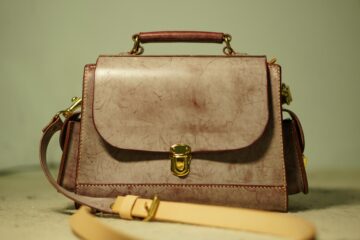
Edge painting applies a specialized coating to the exposed leather edge, creating a smooth, uniform finish. Rather than exposing the natural fibers, edge paint forms a refined border that complements the overall design. Many premium fashion brands and contemporary leather goods use painted edges because they create a clean, consistent appearance.
Edge painting offers several design advantages, including color consistency and a clean, modern appearance. Manufacturers may apply multiple coats, allowing each layer to cure before additional finishing is completed. This process helps produce a more uniform final appearance.
Edge Sealing and Protective Coatings
Some leather products use sealers or protective coatings as part of the edge-finishing process. Rather than focusing primarily on appearance, these treatments help stabilize exposed fibers and improve resistance to everyday handling. Depending on the product, sealing may be used alone or alongside other finishing techniques.
How Edge Finishing Affects Manufacturing
Edge finishing is one of the final operations in leather goods production, but it influences many earlier decisions. Leather selection, cutting accuracy, construction methods, and assembly quality all contribute to how successful the finished edge will be. For example, inconsistent cutting can create uneven edges that become more difficult to finish cleanly.
Surface Finishes and Edge Finishes Are Different
One common misconception is that leather surface finishes and edge finishes are the same thing. They serve different purposes. Surface finishes affect the face of the leather, influencing appearance, texture, color, and wear characteristics across the entire hide. Edge finishing focuses only on the exposed cut edges after manufacturing. Understanding both processes helps brands make more informed material decisions during product development.
Build Better Leather Products With Softline
Edge finishing is one of the details customers notice most, even if they don’t realize it. The right finish reinforces your brand, complements your material selection, and contributes to the long-term quality of the finished product.
Softline Brand Partners can help you evaluate edge-finishing options as part of a complete leather goods manufacturing program. Contact our team to discuss your next leather goods project.