MOQs in Soft Goods Manufacturing
If your brand is developing its first bag or accessory, encountering minimum order quantities can be a frustrating part of finding a soft goods manufacturer. Perhaps your brand wants to test demand with a small run, but the factory needs a certain production volume to make the project practical from a manufacturing angle. This tension is normal, even common. A soft goods MOQ may seem like an arbitrary number set by a manufacturer, but it actually represents the material minimums, setup work, labor, tooling, production efficiency, and complexity of your product. Understanding what that number boils down to can help brands plan a smarter first run and have more productive conversations with potential manufacturing partners.
What is an MOQ in Soft Goods Manufacturing?
MOQ stands for “minimum order quantity” and refers to the smallest production quantity a manufacturer is willing to accept for a particular order. In soft goods manufacturing, there may be several minimums impacting the same project (i.e., your manufacturer has an MOQ and so does your fabric supplier).
MOQs can change from product to product, depending on the production needs of a particular item. For example, a simple sewn pouch and a more complex, multi-material backpack have very different manufacturing requirements. For this reason, there is no single standard soft goods MOQ across product categories or manufacturers.
Why Do Soft Goods Manufacturers Have Minimum Order Quantities?
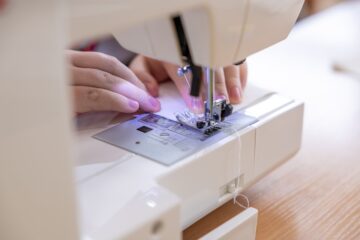
Factories operate most efficiently when they can repeat a particular process over and over again. Before the first production unit is even started, a manufacturer may source materials, prepare patterns, organize cutting, configure equipment, establish assembly steps, brief operators, and set up quality checks. This preparation takes time and needs to be factored into the overhead cost for the manufacturer.
Once production is underway, repetition creates efficiency. A sewing team making the same product repeatedly can establish a consistent workflow, and cutting can be done in batches. If a run is too small, the setup involved can become disproportionate to the amount of actual production.
MOQs also help contract manufacturers manage production capacity. With limited floor space and machinery, manufacturers have to balance each project against work that has already been scheduled.
What Drives a Minimum Order Quantity?
Your product design has a major influence on MOQ, but it is not the sole determining factor.
Material Minimums
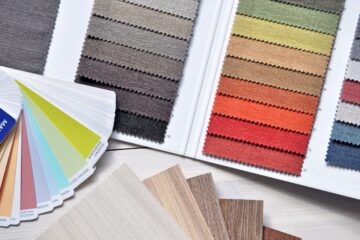
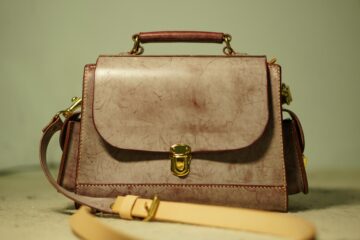
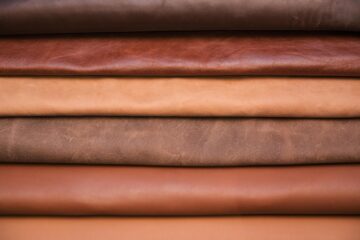
Material suppliers often have minimum purchasing requirements outside of the factory’s requirements. If your product requires custom-colored fabric or specialty leather, the manufacturer may need to purchase more raw material than would be consumed by a very small production run.
Custom Components
Custom hardware, labels, packaging, or branded components can introduce additional supplier minimums. A bag that uses mostly standard components may therefore have different production constraints from one requiring several completely custom parts.
Product Complexity
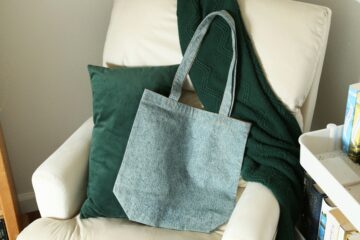
A basic tote has fewer operations than a technical backpack. More complex products will require more machine setup and more production steps, which may influence what constitutes an efficient run.
Tooling and Cutting
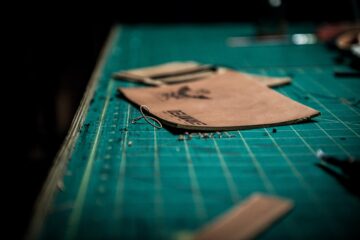
Some products require special dies, fixtures, templates, or other production preparation. Those costs and setup requirements need to make sense across the planned quantity. This is why sampling and prototyping are important for soft goods development. This process gives brands and the manufacturer an opportunity to understand how the design will actually move through production before committing to a larger run.
How Can a Startup Work Within an MOQ?
For an early-stage brand, ordering more inventory than you can reasonably sell creates risk; however, pushing for the smallest possible production run may not be the best solution either. A better approach is to simplify where it makes sense and to stick to your brand’s roots.
Start With a Focused Product
Launching several styles, colors, and configurations simultaneously can spread your order across too many variations. A more focused launch may concentrate demand around one core product or a smaller number of variations. This makes production easier to plan while giving your brand better information about what customers actually want moving forward.
Use Standard Materials Strategically
Not every component needs to be custom. A distinctive design can still use readily available materials, hardware, or webbing where those choices do not compromise the product. Then, as volume grows, more custom elements can be introduced.
Separate Must-Haves From Nice-to-Haves
During development, identify the features that define the product and the features that can be left off of the first run. If a custom component creates a difficult supplier minimum without adding meaningful customer value, changing this specification may make the overall manufacturing program more practical.
Think in Terms of Sequencing
Brands do not necessarily need to launch the entire product line at once. Brands may choose to start with one product, validate demand, gather customer feedback, and then expand into additional colors or styles.
Working with a manufacturer that offers both development support and custom bag manufacturing can help you evaluate these tradeoffs before production.
When are MOQs Negotiable?
Sometimes an MOQ has flexibility; sometimes it does not. The key is understanding what is driving the minimum. If a production minimum is primarily related to factoring scheduling or setup, there may be ways to restructure the project to reduce the minimum. If it is driven by a supplier minimum, the manufacturer may not have room to adjust.
In some situations, domestic manufacturing can offer greater flexibility, particularly during development or for programs where communication and visibility are essential.
Build a Manufacturing Program That Fits Your Stage
MOQs are easier to navigate when you understand why they exist. For startups, the goal should be to develop a product and production plan that lets you enter the market without taking on unnecessary complexity or inventory risk.
Softline Brand Partners supports brands through sampling and prototyping, contract sewing services, sourcing, and production. Talk to Softline about your custom soft goods project and the product requirements that make sense for it.