Webbing and Strap Manufacturing: A Brand’s Guide to Sourcing Bag Straps
Webbing may not receive as much attention as fabrics or hardware, but it is one of the most important components in bag strap manufacturing. Shoulder straps, carry handles, compression straps, attachment loops, and reinforcement panels all rely on webbing to perform as intended. If you are developing backpacks, duffle bags, equipment cases, totes, or outdoor gear, understanding how webbing is sourced and manufactured will help you make better decisions during product development.
What Is Webbing and Where Does It Show Up on a Bag?
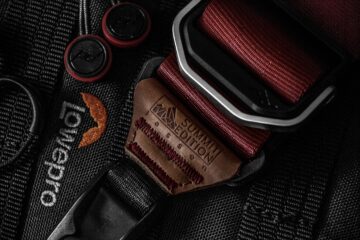
Webbing is a narrow woven fabric designed to provide strength, support, and structure. Unlike decorative trim, webbing often serves a functional purpose by carrying loads, reinforcing stress points, or creating attachment systems.
You will commonly find webbing used for:
- Shoulder straps
- Carry handles
- Compression straps
- Luggage attachment straps
- Grab handles
- Internal retention straps
- Gear attachment loops
- Reinforcement tabs
In many products, webbing performs multiple roles. A shoulder strap, for example, provides carrying comfort while also transferring weight into the bag’s overall structure. Because of this, webbing selection should be considered alongside fabric, hardware, and construction methods during product development.
Common Webbing Materials
Different materials offer different characteristics, and the right choice depends on how the finished product will be used.
Nylon Webbing
Nylon webbing is widely used in travel products, backpacks, tactical gear, and outdoor equipment because of its strength, flexibility, and abrasion resistance. Brands often select nylon webbing for products that require durability and repeated use.
Polyester Webbing
Polyester webbing is another common option for bag manufacturing. It generally offers good dimensional stability and color retention, making it a practical choice for products exposed to sunlight or outdoor conditions.
Cotton Webbing
Cotton webbing provides a softer, more natural appearance than synthetic materials. It is commonly used in products where aesthetics and comfort are priorities. Cotton webbing also pairs well with natural materials such as leather and canvas, creating a more traditional appearance.
Construction Methods: Flat, Tubular, and Jacquard
The weave and construction method of webbing influence both appearance and performance.
Flat Webbing
Flat webbing is the most common construction style. It provides a smooth surface that works well for shoulder straps, handles, and reinforcement applications. Because it is versatile and available in many widths, flat webbing appears in nearly every category of bag manufacturing.
Tubular Webbing
Tubular webbing is woven into a hollow tube rather than a flat strip. This construction often creates a softer feel and can improve comfort in applications where the webbing comes into direct contact with the user.
Jacquard Webbing
Jacquard webbing allows logos, patterns, and graphics to be woven directly into the strap rather than printed afterward. Because the design becomes part of the weave itself, jacquard webbing is frequently used as both a structural and branding element. Many premium brands use jacquard straps to reinforce brand recognition while maintaining a clean, integrated appearance.
Custom Printing, Branding, and Jacquard Options
Straps provide valuable branding opportunities because they are highly visible during everyday use.
Printed Webbing
Graphics or logos can often be applied directly to webbing using printing methods that are appropriate for the selected material. Printed webbing is commonly used for promotional products, branded merchandise, and lifestyle accessories.
Jacquard-Woven Branding
Rather than applying graphics to the surface, jacquard weaving incorporates logos and patterns into the fabric itself. This approach offers a refined appearance and creates a durable branding element that becomes part of the finished strap.
Color Coordination
Many brands also customize webbing by selecting colors that complement the primary bag fabric or match established brand guidelines. Consistent color selection across fabrics, webbing, thread, and hardware contributes to a more cohesive finished product.
How to Spec Webbing for a Manufacturer
One of the most common mistakes first-time product developers make is specifying only the color of a strap. Manufacturers typically need much more information to source the appropriate webbing. A complete specification may include:
- Material type
- Width
- Thickness
- Color
- Weave style
- Construction type
- Intended use
- Branding requirements
If the webbing will interact with hardware such as buckles, D-rings, or adjusters, those components should also be considered during development to ensure compatibility.
Including these details in your tech pack helps manufacturers source appropriate materials and provide more accurate production guidance.
Start Your Bag Project With Softline
Choosing the right webbing is about more than selecting a strap. Material, construction, branding, and integration all influence how your product performs and how customers experience it.
Softline Brand Partners can help source the right materials and guide your project from concept through production. Contact our team to discuss your next custom bag manufacturing project.