Custom Tote Bag Manufacturing
Tote bags are one of the most versatile products in the soft goods industry. They can serve as premium retail merchandise, promotional giveaways, reusable shopping bags, corporate gifts, travel companions, or everyday lifestyle accessories. While the basic design may appear simple, producing a high-quality tote requires thoughtful material selection, durable construction, and manufacturing processes that align with your brand’s goals.
Why Tote Bags Work for So Many Brand Launches
Few products offer as much flexibility as the tote bag. A single silhouette can be adapted to serve very different markets depending on the materials, construction methods, and finishing details. Brands commonly launch tote bags for:
- Retail collections
- Corporate merchandise
- Trade shows and events
- Promotional campaigns
- Lifestyle brands
- Farmers markets and specialty retail
- Travel and commuter products
Some totes are designed to be lightweight and economical for large distributions, while others are built to become premium products that customers use for years. Understanding where your product fits within this spectrum is one of the first decisions you’ll make with your manufacturing partner.
Materials: Canvas, Cotton, Nylon, and Leather
Material selection has a significant impact on how a tote bag looks, feels, and performs.
Canvas and Cotton
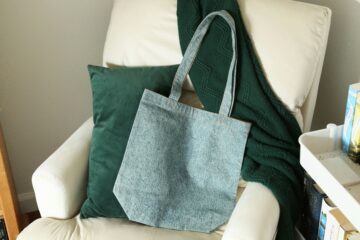
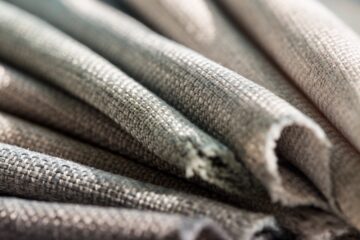
Cotton canvas remains one of the most popular materials for tote bags because it combines durability with a timeless appearance. Canvas totes are commonly used for grocery totes, lifestyle brands, and corporate merchandise. Different canvas weights can create either lightweight promotional products or heavier, structured bags designed for daily use.
Lighter-weight cotton offers a softer feel and is frequently selected for reusable shopping bags and promotional programs. Many brands choose cotton when they want a natural appearance or a fabric that works well with printed graphics. Cotton fabrics are available in various weights, allowing manufacturers to match the material to the intended application.
Nylon
Nylon is often selected for totes that require greater abrasion resistance, water resistance, or lighter weight. It is commonly used for travel totes and gym bags. Nylon also offers flexibility for products that need technical performance while maintaining a clean appearance.
Leather
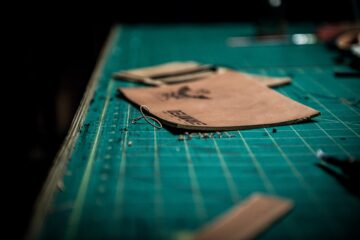
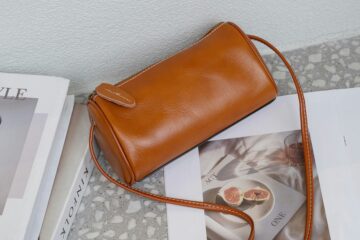
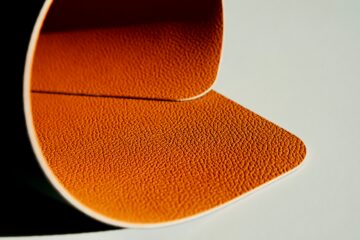
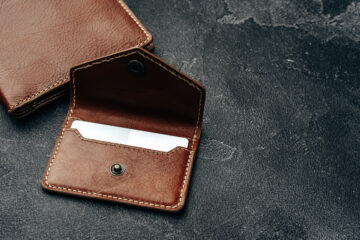
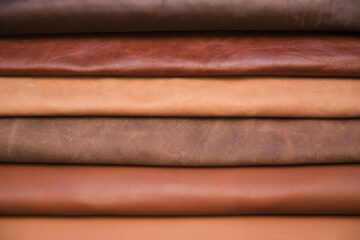
Leather creates an entirely different product category. In fact, leather totes are often positioned as premium lifestyle or professional accessories. Manufacturers may use full leather construction or combine leather with canvas or other fabrics to balance appearance, durability, and cost. Choosing the right material depends on how your customers will use the product and how you want your brand to be perceived.
Construction Details That Affect Tote Quality
Two tote bags can look similar from a distance but perform very differently over time. Construction quality often determines whether a bag lasts for months or many years.
Handle Attachment
Handles are among the highest-stress areas of any tote bag. Manufacturers may reinforce handle attachment points with box stitching, cross stitching, or other types of stitch reinforcement. These construction details help distribute weight and reduce stress during daily use.
Bottom Panels and Structure
Some totes are intentionally soft and flexible, while others are designed to stand upright or carry heavier loads. Manufacturers may add:
- Reinforced bottom panels
- Foam inserts
- Stiffeners
- Structured side panels
These additions improve durability and help the bag maintain its shape.
Interior Organization
Retail and premium tote bags often include interior features such as zipper pockets, laptop sleeves, water bottle holders, or key clips. These details improve functionality and can help distinguish a premium product from a basic tote.
Stitching Quality
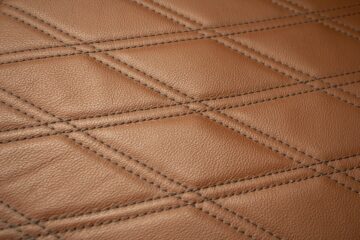
Consistent stitching contributes to both durability and appearance. Thread selection, stitch spacing, seam construction, and reinforcement all play a role in the finished product.
Decoration Options: Print, Embroidery, and Patches
Branding often transforms a simple tote into a memorable product. Manufacturers can incorporate logos and graphics in several ways, depending on the material and design.
Screen Printing
Screen printing remains one of the most common decoration methods for canvas and cotton totes. It works well for bold graphics, promotional messaging, and retail branding.
Embroidery
Embroidery creates a premium appearance that works particularly well for corporate gifts, lifestyle brands, and higher-end retail collections. It adds texture and durability while reinforcing brand identity.
Woven Labels and Patches
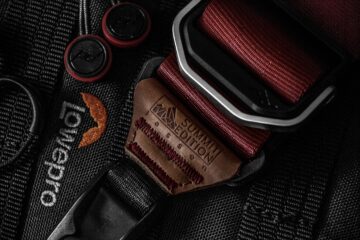
Some brands prefer more subtle branding through woven labels, leather patches, or fabric patches. These options integrate naturally into the design while maintaining a refined appearance.
Hardware and Trim
Brand identity can also be expressed through custom zipper pulls, branded rivets, or other kinds of decorative hardware. Thoughtful finishing details often have a significant impact on how customers perceive quality.
What to Look for in a Custom Tote Bag Manufacturer
Choosing a manufacturer involves more than finding someone who can sew fabric together. A strong manufacturing partner should help you make informed decisions throughout product development.
Product Development Support
Many brands begin with sketches, inspiration images, or existing products they want to improve. An experienced manufacturer can help refine product dimensions, construction methods, and material selections. This collaboration helps improve manufacturability before production begins.
Sampling and Prototyping
Most successful tote programs include one or more rounds of sampling. This allows brands to evaluate proportions, materials, functionality, and branding before committing to production.
Material Sourcing
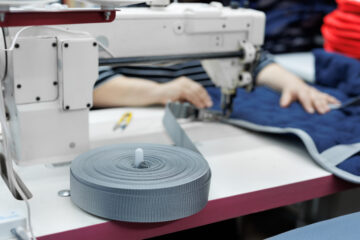
Manufacturers often source fabrics, hardware, webbing, thread, and other components as part of a complete manufacturing program. This integrated approach helps ensure compatibility between materials while simplifying project management.
Domestic and Overseas Production
Depending on your goals, you may benefit from either domestic or overseas manufacturing. Many brands choose US contract manufacturing during development or for projects where communication, flexibility, or domestic production is a priority. Others may evaluate overseas production based on volume requirements and sourcing strategy.
Scalability
Your first production run is only the beginning. The right manufacturer should be capable of supporting your brand as demand grows while maintaining consistent quality across future production runs.
Start Your Tote Bag Project With Softline
At Softline Brand Partners, our experience in custom bag manufacturing supports brands producing promotional totes, premium retail bags, travel products, and specialty sewn goods. From material sourcing and prototyping to production and quality control, Softline Brand Partners works with brands to develop custom tote bags that align with their goals and support long-term growth. Contact our team to discuss your next custom tote bag project.