Custom Wallet and Cardholder Manufacturing: A Brand’s Guide to Materials, Construction, and Suppliers
Wallets and cardholders may be small leather products, but they require precise manufacturing. Every cut, stitch, edge, pocket, and material choice affects how the finished piece feels in the hand and performs over time. As a brand getting into small leather goods, choosing the right custom wallet manufacturer can help you move from concept to production with fewer revisions and a clearer understanding of cost, quality, and scalability.
The Small Leather Goods Category: Wallets, Cardholders, and More
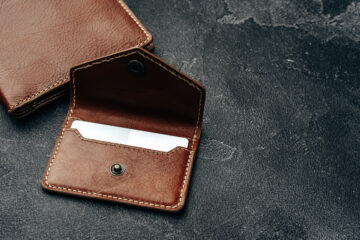
Wallets and cardholders sit within the broader small leather goods category. These products are often used by brands as entry-level accessories, corporate gifts, retail add-ons, or core product lines. Common small leather goods include bifold wallets, luggage tags, pouches, cardholders, and more.
Although these items are compact, they can be technically demanding. A wallet may include multiple card slots, folded edges, lining materials, layered panels, and precise stitching. A cardholder may look simple, but tight tolerances and clean edge finishing are essential to the final product.
Small leather goods are often an attractive product addition for brands because they can communicate craftsmanship, material quality, and brand identity in a compact format. They also allow brands to test new materials, offer limited editions, or expand into leather accessories without launching a larger program.
Leather Options for Wallet Manufacturing
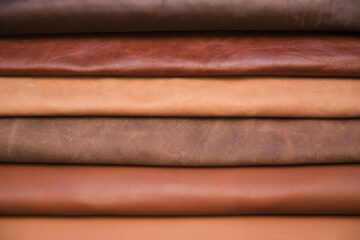
Leather is not one uniform material. The type, grade, thickness, finish, and tanning process all affect how a wallet or cardholder performs.
Full-Grain Leather
Full-grain leather retains the natural grain surface of the hide and is often selected for its durability, character, and ability to develop a patina over time. Brands often choose full-grain leather when they want a durable product with a more authentic appearance.
Top-Grain Leather
Top-grain leather is often more uniform in appearance and may have a smoother finish. It is commonly used when brands want a refined look, consistent color, or a softer hand feel.
Genuine Leather
Genuine leather is a broad industry term that simply indicates the product contains real leather. Quality can vary significantly depending on the tannery, hide selection, finishing process, and construction method. Because the term does not specify a particular grade, brands should evaluate leather specifications carefully rather than relying on labeling alone.
Leather Alternatives
In addition to traditional leather, some brands choose alternative materials such as polyurethane (PU), recycled synthetics, cork, or plant-based materials. These options can support specific pricing, sustainability, or performance goals, though they often require different construction techniques than natural leather.
Vegetable-Tanned and Chrome-Tanned Leather
The tanning method also matters. Vegetable-tanned leather often has a firmer feel and develops a visible patina with use. It is commonly associated with heritage products and traditional leather goods.
Alternatively, chrome-tanned leather is usually softer, more flexible, and available in a wider range of colors and finishes. It may be better suited for wallets that require a softer hand or more consistent color matching.
Neither approach is universally better. The right choice depends on your product positioning, durability needs, and target customer.
Leather Weight and Thickness
Wallets and cardholders require careful attention to leather thickness. Leather that is too thick may create bulky folds or card slots that are difficult to use. Leather that is too thin may lack structure or long-term durability. Understanding leather weight and thickness is especially important when designing layered products like bifold wallets and multi-slot cardholders.
Construction Details: Bifold vs. Trifold vs. Cardholder
Different wallet styles require different construction approaches.
Bifold Wallets
Bifold wallets are one of the most common wallet formats. They typically include two main panels, multiple card slots, and sometimes a bill compartment. Because the wallet folds in half, leather thickness and edge finishing must be carefully managed to avoid excessive bulk.
Trifold Wallets
Trifold wallets include additional folding panels and often more storage capacity. They require more precise alignment because multiple folded sections must stack cleanly when closed. This construction can increase labor and material complexity.
Slim Cardholders
Cardholders appear simple, but they demand precision. Card slot spacing, panel alignment, and stitching accuracy all affect usability. If tolerances are off, cards may fit too tightly or slide too easily.
Passport Wallets and Travel Holders
Passport wallets often include larger panels, document compartments, card slots, and sometimes zipper or snap closures. These products may require additional structure and reinforcement to support travel use.
Money Clip Wallets
Money clip wallets combine leather construction with metal or magnetic components. Hardware placement and attachment strength are especially important in this category.
Decoration, Edge Finishing, and Stitching Choices
For wallets and cardholders, finishing details are highly visible. Because the products are small, customers notice edge quality, stitch consistency, and logo placement immediately.
Edge Finishing
Edge finishing is one of the clearest quality markers in small leather goods. Options may include painted, burnished, folded, or raw edges. The right choice depends primarily on leather type and product aesthetics.
Stitching
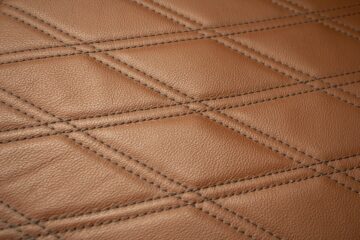
Stitching affects both durability and visual identity. Brands may choose tonal stitching for a clean look or contrast stitching for a more visible design element. Stitch spacing, thread weight, and reinforcement areas should all be planned during development.
Branding
Common branding methods for wallets and cardholders include debossing, embossing, hot stamping, woven labels, and small metal marks. Because these products have limited surface area, branding should be intentional. Placement, scale, and depth all affect how the finished product reads.
What to Look for in a Custom Wallet Manufacturer
Choosing a custom wallet manufacturer involves more than finding someone who can sew leather. Small leather goods require precision, consistency, and experience working with layered construction.
Experience with Small Leather Goods
Wallets and other small leather goods require precision when it comes to material weight and thickness. A manufacturer with experience in thin materials will be able to contribute not only to the success of the finished product but also make recommendations throughout the early stages of the production process.
Sampling and Development Support
Many brands begin with a sketch, reference sample, or early concept. A manufacturing partner can help refine dimensions, test leather options, and improve construction before production begins. This is especially valuable when developing wallets and cardholders because small changes can affect usability.
Material Sourcing
Your manufacturer should be able to help identify leather options that match your product goals. This may include selecting the right grade, finish, color, tanning method, and thickness.
Quality Control
Small leather goods have tight tolerances. A few millimeters can affect how cards fit, how a wallet closes, or how the product feels in use. Quality control should include checks for stitch placement, panel alignment, edge finishing, and material consistency.
Scalability
Your first run may be small, but your manufacturer should be able to support growth if the product performs well. Scalable production requires documented specifications, consistent sourcing, and repeatable processes.
Taking these considerations into account will help your brand choose a manufacturing partner that will work with you, not against you.
Start Your Wallet or Cardholder Project With Softline
Wallets and cardholders may be compact, but they require careful planning and precise manufacturing. Every detail, including material selection, cutting, stitching, and edge finishing, shapes the final product.
Softline Brand Partners helps brands develop custom wallets, cardholders, and small leather goods through sourcing, sampling, and manufacturing support. Contact our team to discuss your next small leather goods project.