Bag Liners and Linings: Materials, Construction, and What to Spec
Open up any well-made bag, and the inside tells you almost as much about it as the outside. Most brands spend weeks debating outer shell materials and ten minutes on what sits underneath. That’s a missed opportunity; the lining you spec affects cost, durability, how the bag photographs, and what a contract manufacturer can source in your timeline.
This guide walks through the most common lining materials, how they’re constructed and attached, and what belongs on a tech pack so a partner like Softline Brand Partners can quote your custom bag manufacturing program. The lining decision is one of the cheapest places to upgrade quality…or to compromise it.
Why bag lining matters more than brands realize
Lining is part of the bag’s structure, not just decoration. It hides raw edges and seam allowances, reinforces the body, supports interior pockets, and gives the bag its hand feel when a customer opens the zipper. It also drives perceived quality. A premium leather exterior paired with a rough, raw-edge polyester lining reads as inconsistent. Customers may not articulate why, but they notice.
Lining choice influences three measurable factors: per-unit cost, durability in daily use, and what a contract manufacturer can source within the lead time. A vertically integrated manufacturer can spec, source, and attach the lining as part of the same production run, which is one reason brands move toward custom bag manufacturing partners that handle both shell and interior end-to-end.
Common bag lining materials and what each is used for
Brands typically choose from a handful of categories:
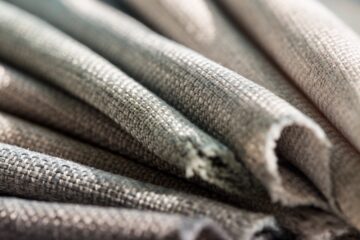
- Polyester twill. Versatile, durable, and affordable. The most widely specified lining material for everyday bags, available in dozens of colors, easy to print on, and resistant to abrasion from keys and contents.
- Cotton canvas and twill. Common in heritage-inspired and waxed canvas bags. Heavier weight, gives a more structured interior, and pairs well with leather exteriors.
- Nylon ripstop and pack cloth. The go-to for performance bag fabrics. Lightweight, abrasion-resistant, and water-shedding when treated. Common in travel, tactical, and outdoor categories.
- Satin and acetate. Primarily fashion handbag use. Smooth hand feel and premium look, but less durable for daily-carry bags.
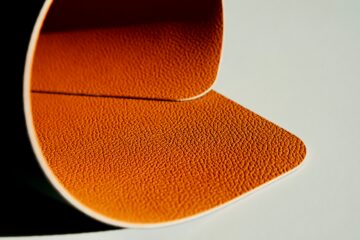
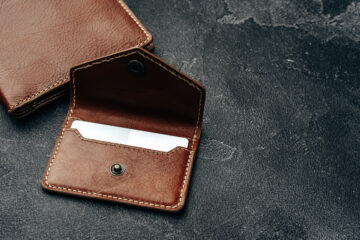
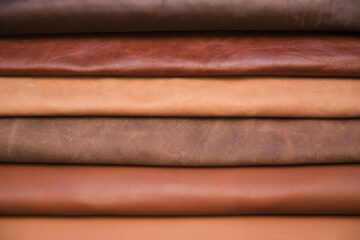
- Leather or suede. Reserved for premium small leather goods. It can roughly double the interior material cost, but it works well for products where the inside is part of the unboxing experience.
- Recycled and bio-based linings. Increasingly requested by brands with sustainability commitments. Recycled PET and bio-based polyester are now widely available at production volume.
How linings are constructed and attached
Most bag linings are sewn as a separate “bag within a bag” and then attached to the shell at the top opening. Three construction methods dominate:
- Bagged-out construction. The lining is sewn inside out, turned through an opening, and then closed. Clean appearance with no exposed seams.
- Drop-in lining. The lining is sewn separately and attached only at the opening. Easier to access for repairs, but less structural.
- Bonded lining. The lining is laminated to the shell material before cutting. Used in technical and molded bags where the interior and exterior need to act as one panel.
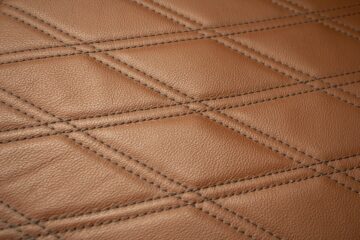
Different stitch types in bag construction are used depending on the method. Bagged-out construction relies on edgestitching and topstitching at the opening; bonded linings need different needle and thread combinations to penetrate two layers cleanly.
Choosing a lining for performance, fashion, or leather goods
The right lining is almost always category-specific:
- Performance bags. Nylon ripstop, Cordura-style pack cloth, or treated polyester. Prioritize abrasion resistance, water shedding, and low weight. Skip satin and acetate entirely.
- Fashion bags. Polyester twill is the default. Satin reads more premium if the budget supports it. Logo-printed twill is a common branding move that adds little to per-unit cost.
- Leather goods. Suede, pigskin, or premium woven lining keeps the interior consistent with the exterior. A printed twill lining inside a high-end leather tote reads as a mismatch.
- Structured briefcases and totes. Heavier woven linings or laminated constructions hold shape and resist sag over time.
The decision is almost always made together with the shell. Your manufacturer will weigh in based on what they can source, what runs cleanly through their machines, and what holds up to manufacturing quality control inspection at the finished-goods stage.
What lining spec belongs on your tech pack
Your contract manufacturer needs four things on the tech pack to quote a lining accurately:
- Material type and weight (for example, 200 gsm polyester twill or 420D nylon pack cloth).
- Color reference — a Pantone number or a fabric swatch.
- Construction method — bagged-out, drop-in, or bonded.
- Interior features — pockets, dividers, key clip, branded patch label.
Frequently asked questions
What is the most common bag lining material?
Polyester twill. It hits the right balance of cost, durability, and color availability for the vast majority of consumer bags.
How is a bag lining attached to the outer shell?
Most often through bagged-out construction. The lining is sewn separately, inserted into the shell, and topstitched at the bag’s opening. Bonded linings are laminated to the shell before the panels are cut.
Does a contract manufacturer source bag lining?
Yes. A vertically integrated manufacturer handles lining sourcing alongside the outer shell, so brands do not need to negotiate with a separate textile supplier.
How much does lining add to bag cost?
It depends on the material. Basic polyester twill adds a small percentage, while premium suede or leather lining can roughly double the interior material cost.
Build your bag with a partner who handles the inside, too
Lining is rarely the headline of a bag program, but it shapes how the product feels in the customer’s hand and how long it survives daily use. The right contract manufacturer will treat it as a real spec decision, not an afterthought.
By Softline Brand Partners — Request a quote for custom bag manufacturing.