Sourcing Hardware for Bags: A Brand’s Guide to Zippers, Buckles, Rivets, and Snaps
Pick up a $40 backpack and a $400 one side by side. The most obvious difference often isn’t the fabric or the stitching; it’s the hardware. The zipper that catches halfway, the buckle that flexes when you load the bag, the snap that pops open in your pocket.
Hardware is where brands earn or lose customer confidence, and it’s the part of a bag most product developers underestimate when they first brief a manufacturer. This guide covers the hardware categories every custom bag needs and what to spec on a tech pack. Also, discover how a contract manufacturing partner like Softline Brand Partners handles custom bag manufacturing sourcing so you don’t end up negotiating with four separate component suppliers.
What hardware does a custom bag actually need?
Most bags rely on four hardware categories, even when the design brief feels simple:
- Closures. Zippers, snaps, magnetic catches, drawcord cinches.
- Carry and connection. Buckles, side-release clips, D-rings, swivel hooks.
- Fastening and reinforcement. Rivets, eyelets, grommets, bartacks.
- Branded accents. Custom pullers, engraved hangtags, logo plates.
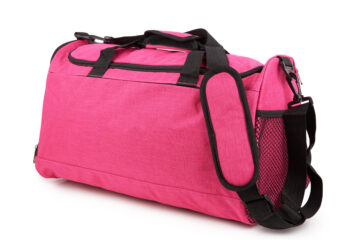
Hardware does not just dress the bag. It determines what fails first under daily use. A duffel with strong fabric and a weak zipper fails at the zipper. A backpack with reinforced straps and an underspec’d buckle fails at the buckle. A manufacturer-managed sourcing process keeps the weak point from being the part nobody thought about.
Zippers — types, sizes, and what to spec
Zippers carry more daily wear than any other hardware on a bag. The main categories:
- Coil zippers. Plastic monofilament coil. Lightweight, smooth, self-healing on minor snags. The most common choice for clothing, light bags, and pocket closures.
- Molded plastic (vislon-style). Individual molded teeth. Bigger, bolder, and more durable than coil. Common in outdoor and travel bags.
- Metal zippers. Brass, aluminum, or nickel. Premium feel and weight, often used as a design statement on leather goods and luxury bags.
Beyond type, the spec a manufacturer needs is the size number (a #5 coil and a #10 molded look and behave differently), the length, the slider style, the puller design, and whether it is separating, two-way, or closed-bottom. A premium hardware brand on the puller is one of the easiest perceived-quality upgrades a brand can make and one of the easiest to source as part of a custom bag manufacturing program.
Buckles — side-release, cobra, and roller options
Buckles split into a few common families:
- Side-release buckles. The standard webbing closure on backpack chest straps, duffel bags, and most consumer load-bearing bags. Available in plastic and metal.
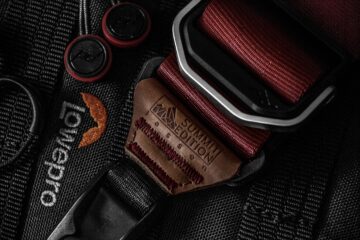
- Cobra-style buckles. Higher-strength metal buckles favored by tactical and outdoor brands.
- Roller and slider buckles. Used on adjustable straps where the user needs to dial in length. Common on shoulder straps and waist belts.
- Magnetic buckles. Premium fashion bag use. Closes with a satisfying snap, no manipulation required.
The right buckle ties back to the bag category, the load rating you need, and how the buckle looks as part of the design.
Rivets and snaps — when to use which
Rivets and snaps look similar to a customer, but they solve different problems.
- Rivets are reinforcement hardware. They lock layers of material together at high-stress points: the base of a strap, the corner of a pocket, the attachment point of a handle. Standard configurations include double-cap rivets, tubular rivets, and Chicago screws.
- Snaps are closure hardware. They open and close. Common variants include line 20 and line 24 spring snaps, magnetic snaps, and S-spring snaps for lower-profile applications.
Both come in finishes from antique brass to gunmetal to color-matched custom plating. Decide on the finish early. It usually drives the bag’s visual identity more than the underlying material spec.
How to choose a bag hardware supplier
Most established contract manufacturers do not expect brands to source hardware separately. The manufacturer either holds supplier relationships across these categories or sources to spec for each program. What you are really evaluating is whether the manufacturer has the right supplier network for your category. Useful questions to ask:
- Do you have existing hardware suppliers for the materials I am specifying?
- Can you source custom-finished hardware (engraved logos, color-matched plating), and at what MOQ?
- How do you handle quality control on hardware before it enters the production line?
What to include on a tech pack so a manufacturer can quote accurately
For each piece of hardware, the tech pack needs:
- Type, size, and configuration (for example, “#5 coil zipper, 30 cm, two-way, closed-bottom”).
- Finish and color (antique brass, gunmetal, matte black).
- Quantity per bag.
- Whether the part is stock or custom; custom hardware carries its own MOQ and lead time.
Frequently asked questions
Where do bag manufacturers source their hardware?
Most established contract manufacturers maintain supplier networks across zippers, buckles, rivets, and snaps. Some source domestically; many work with overseas hardware suppliers that have served the bag industry for decades.
What types of zippers are used in bag manufacturing?
Coil, molded plastic, and metal zippers each have a place. Coil for light, frequent use; molded for outdoor durability; metal for premium feel and design statement.
How are buckles attached to a bag?
Usually through webbing. The bag’s strap is threaded through and bartacked or box-stitched at the attachment point. The buckle becomes a structural part of the joint.
Can a contract manufacturer help source bag hardware?
Yes. A vertically integrated manufacturer treats hardware sourcing as part of the production scope. Your single point of contact manages the supplier relationships behind the scenes.
Get hardware sourced as part of one production run
Hardware is rarely the first thing a brand pictures when they start a bag program, but it is the part customers notice fastest. The right manufacturing partner specs, sources, and integrates the components so the bag holds up where it matters.
By Softline Brand Partners — Request a quote for custom bag manufacturing.