Custom Watch Strap Manufacturing: A Brand’s Guide to Materials, MOQs, and Suppliers
Creating a quality watch involves much more than designing a great watch case or dial. Watch straps have become a major part of product differentiation, helping brands create distinct and unique collections. Choosing the right custom watch strap manufacturer affects everything from product quality and lead times to scalability and long-term brand consistency.
What Does a Watch Strap Manufacturer Do?
A custom watch strap manufacturer is an essential member of the product development team, supporting tasks like product development, material sourcing, sampling, hardware procurement, production planning, quality control, and fulfillment. For many brands, the manufacturing process begins way before production actually starts. This process often involves reviewing sketches, refining dimensions, sourcing appropriate materials, and creating prototypes that can be tested and revised before final approval.
Some manufacturers operate strictly as production vendors, which can be great for more established brands that have designed and manufactured watch bands before. However, others provide vertically integrated support that combines development, sourcing, manufacturing, and finishing services under one roof. This approach often improves communication and creates better consistency throughout production.
At Softline Brand Partners, our vertically integrated model allows brands to move from concept to scalable production through coordinated support across design, sourcing, and manufacturing. Through our capabilities and broader expertise, we support both emerging and established brands with domestic and overseas production options.
Softline operates a domestic facility in Minneapolis while also managing overseas manufacturing capacity. This gives brands the chance to pick a manufacturing strategy that matches their volume, lead time, customization, and budget requirements.
Watch Strap Materials: Leather, Nylon, Canvas, Rubber, and Hybrid Options
The material of a watch band directly impacts durability, appearance, cost, and comfort. A watch strap manufacturer can help brands source materials that align with their brand’s aesthetic, budget, and style needs.
Leather Watch Straps
Perhaps the most iconic and traditional option, leather is one of the most widely used materials for watch strap manufacturing because of its versatility and long-term wear characteristics.
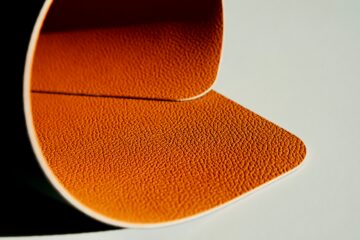
Full-grain leather is often preferred because it retains the strongest portion of the hide and develops natural character over time. It typically offers greater durability and a more authentic appearance. Alternatively, top-grain leather provides a more uniform finish and softer hand feel. It is commonly used in fashion-oriented watch collections where a refined appearance is prioritized.
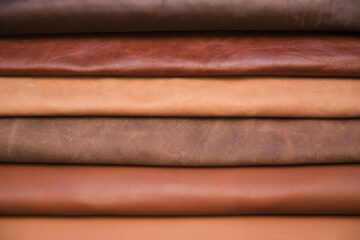
Leather tanning methods also influence performance and aesthetics. Vegetable-tanned leather develops a natural patina and tends to have a firmer structure. Chrome-tanned leather is softer, more water-resistant, and available in a broader range of finishes and colors.
Nylon, Canvas, and Technical Fabrics
Technical materials have become increasingly popular in watch accessories, especially in sports, outdoor, and tactical categories. Nylon is a great choice for situations where abrasion resistance and durability are important.
Waxed canvas is another popular choice for outdoor-type watch straps, especially when a more heritage-inspired aesthetic is needed. These materials also introduce different production considerations related to stitching, reinforcement, edge finishing, and hardware integration.
Rubber and Silicone Watch Straps
Rubber and silicone straps are often used in dive, fitness, and sports watches because of their flexibility and moisture resistance. These materials require different manufacturing processes than sewn leather or fabric straps, but they remain an important category for brands developing broader watch accessory collections.
Hybrid Constructions
Many modern watch brands combine materials to balance aesthetics and functionality.
Examples include:
- Leather straps with rubber linings
- Canvas straps with leather reinforcement
- Nylon straps with padded interiors
- Technical fabrics paired with premium hardware
Hybrid constructions allow brands to create products that combine durability, comfort, and visual differentiation.
How to Evaluate a Custom Watch Strap Manufacturer
Choosing the right watch strap manufacturer requires a close examination of a manufacturer’s experience, capabilities, and scalability. One of the first things brands should evaluate is category experience. Watch straps require precise stitching, small-component assembly, edge finishing, and consistent hardware integration. Manufacturers experienced in leather accessories and sewn technical products are often better equipped to handle these precision requirements.
Sampling for watch bands is particularly important. Most custom watch straps go through two to six rounds of prototyping before production begins. Adjustments to fit, thickness, stitching, edge finishing, or hardware placement are common throughout development. Programs like Softline’s Samples as a Service can help brands accelerate the prototyping process, especially when they do not yet have finalized technical specifications or production-ready samples.
Quality control procedures are another important aspect of the evaluation process. Brands should ask manufacturers how they inspect:
- Stitch consistency
- Edge finishing
- Material quality
- Hardware durability
- Production tolerances
Additionally, brands should ask questions regarding communication and visibility. Delays often happen when development feedback, sourcing updates, or production timelines become unclear. Manufacturers that provide strong project coordination typically reduce risk throughout the process.
What Drives Custom Watch Strap Pricing?
Several factors can influence the per-unit cost of custom watch strap production, including MOQs, raw materials, lead times, and finishing strategies. Minimum order quantities are a manufacturer-determined production quantity that brands must meet to enter a production agreement. MOQs can vary significantly from manufacturer to manufacturer and depend on materials, hardware, customization, and production location. Higher MOQs usually mean a lower cost per watch band; however, it also requires a higher upfront cost for the brand.
Products that use custom hardware, specialty leathers, or extensive finishing techniques may generally require a higher MOQ because sourcing and setup costs increase. Lower-volume production is often possible, particularly through domestic manufacturing, but lower runs typically increase per-unit costs.
Lead times are also a crucial cost-determining factor. Production timelines are shaped by several phases of development and production, including:
- Sampling and revisions
- Material sourcing
- Hardware procurement
- Production scheduling
- Quality control
- Shipping and logistics
Custom leather sourcing or specialty hardware can extend timelines significantly if not built into the planning timeline early.
Pricing is also influenced by factors beyond raw material costs and production timelines. Labor-intensive finishing methods such as hand-painted edges, contrast stitching, debossing, or layered constructions can increase production complexity and cost.
Brands should approach watch strap manufacturing as a balance between design goals, target pricing, durability requirements, and production scalability.
Customization: Stitching, Edges, Hardware, and Branding Methods
Customization is one of the biggest opportunities for watch brands to differentiate their products.
Stitching and Construction
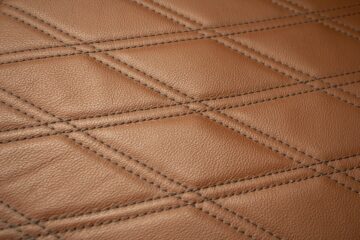
Stitching style can dramatically change the appearance of a watch strap. Contrast stitching, tonal stitching, and decorative stitch patterns can boost the aesthetics of a premium watch band. Alternatively, reinforcement stitching and padded constructions can increase durability and comfort for more functional straps.
Edge Finishing
Edge finishing is especially important in leather watch straps. Depending on the design direction, brands may choose edge painting, inking, burnishing, or leaving the natural leather edges. These finishing methods influence both aesthetics and production complexity.
Hardware and Components
Hardware selection impacts both functionality and visual identity. Manufacturers may source buckles, keepers, spring bars, or quick-release hardware depending on design choices. Custom hardware finishes such as matte black, brushed steel, brass, or gunmetal are increasingly common in premium watch accessory lines.
Branding and Decoration
Branding methods often include:
- Logo debossing
- Embossing
- Hot stamping
- Foil applications
Softline’s capabilities help brands integrate subtle or highly visible branding elements into their watch strap collections.
Bringing a Custom Watch Strap to Market With a Vertically Integrated Partner
Developing a successful watch strap line requires coordinated decision-making across design, sourcing, prototyping, production, and quality control. The right manufacturing partner helps reduce risk while improving scalability and consistency throughout the process.
Frequently Asked Questions
Can a manufacturer match an existing watch strap design?
Yes. Many manufacturers can reference existing products to develop similar constructions while refining materials, sizing, or manufacturing methods for production efficiency.
What is the difference between OEM and private label watch strap manufacturing?
OEM manufacturing involves fully custom products designed to a brand’s specifications. Private label manufacturing typically customizes pre-existing product structures with branding or minor modifications.
Do watch strap manufacturers help source buckles and hardware?
Yes. Vertically integrated manufacturers often source buckles, spring bars, keepers, and specialty hardware directly through supplier networks.
Start Your Watch Strap Project With Softline
Softline Brand Partners helps watch brands and accessory companies develop custom watch straps through integrated sourcing, sampling, manufacturing, and finishing support. From leather and technical fabrics to custom hardware and branded packaging, our team works with brands to create scalable watch accessory programs built for long-term growth. Contact Softline today to discuss your next watch strap project.