How to Choose a Pet Product Manufacturer: Materials, Categories, and What to Look For
Creating a pet product brand requires more than a great idea and alluring branding. Once you move out of the ideation stage and into production, manufacturing decisions can make or break a customer’s experience. Choosing the right pet product manufacturer is one of the most important decisions a growing brand can make. For companies developing pet goods like collars, leashes, harnesses, carriers, travel accessories, or other sewn pet products, it helps to work with a manufacturing partner that understands soft goods construction, sourcing, scalability, and production planning.
What Does a Pet Product Manufacturer Actually Do?
A custom pet product manufacturer can do more than just sew finished goods together. The right production partner may support design refinement, sampling, sourcing, production planning, packaging, and fulfillment. An experienced pet product manufacturer can help brands refine material choices, functional construction, and potential scalability issues before production launches.
Some manufacturers operate strictly as production facilities, while others provide broader development support. For startups and growing pet product brands, this distinction matters. A cut-and-sew manufacturing partner may only put the finished products together without assisting with design refinement, and for many brands, that is a great option. However, newer brands or brands that are just getting started with pet products may want a more hands-on approach. Some manufacturers can also do both, giving brands the ability to customize their approach to production.
Soft Goods Categories for Pet Brands
The pet category includes a wide range of sewn and soft goods, each with distinct construction and durability requirements.
Collars and Leashes
Collars and leashes are among the most common pet accessories. These products often use nylon or polyester webbing paired with hardware such as D-rings, swivel snaps, adjusters, and side-release buckles.
Durability is especially important in this category. Stitch reinforcement, hardware strength, and material selection all affect long-term performance and safety, which is why nylon and polyester are top picks for this kind of product. For a more refined look, some brands may go for leather detailing or a fully leather construction.
Harnesses
Harnesses involve more technical construction than collars and leashes because they distribute force across multiple points of contact. Pet harnesses usually use padded mesh and foam backing for a more comfortable experience for pets. Adjustable straps and reinforced stitching are also crucial for customization and durability. This category often requires multiple rounds of sampling and fit refinement before moving into production.
Pet Carriers and Travel Bags
Soft-sided pet carriers and travel bags combine elements of technical sewing and bag manufacturing. Materials like Cordura, ripstop nylon, padded mesh, and structured foam inserts are commonly used to balance durability, comfort, and weight. Zippers, ventilation panels, handles, and shoulder straps also require careful construction planning.
Pet Beds and Accessory Pouches
Pet beds and little pet accessory pouches are a growing segment in the soft pet goods segment. These accessory bags can be used as reusable pet waste bags, treat storage bags, and travel accessories. While simpler in structure, these products still require thoughtful material selection and construction planning. Washability, seam durability, and fill retention all affect long-term performance.
Accessory products also create opportunities for branding through custom embroidery, debossing, woven labels, and custom packaging.
Materials, Hardware, and Construction for Durable Pet Products
Material selection is one of the biggest factors that contribute to product durability, pricing, and performance.
Webbing and Fabric Options
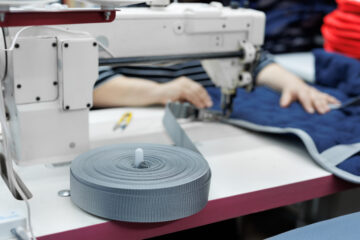
Nylon webbing is one of the most common materials used for collars, leashes, and other pet-wearables because it is incredibly strong and tear-resistant. Polyester webbing offers similar durability with improved UV resistance and color retention. Cotton webbing is sometimes used for softer lifestyle-oriented products, though it typically offers less moisture resistance than synthetic options.
For carriers and travel accessories, materials such as Cordura, ripstop nylon, and padded mesh are commonly used due to their durability and lightweight structure.
Sustainability is also becoming a larger consideration in the pet category. Many brands are exploring recycled materials such as rPET webbing, hemp blends, and natural fibers as alternatives to traditional synthetics.
Leather and Premium Materials
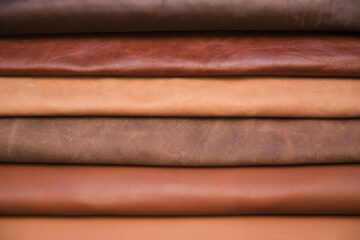
Premium pet accessories often use leather detailing or full leather construction. Vegetable-tanned leather offers a natural appearance and aging process, while chrome-tanned leather typically provides greater softness and moisture resistance. The right choice depends on the product’s intended use and desired aesthetic.
Hardware and Tensile Strength
Hardware selection is just as important as fabric selection, as it has a major impact on durability. Buckles, D-rings, swivel clips, and adjusters all need to withstand repeated stress. Tensile strength becomes especially important for larger dogs or products designed for outdoor use. Manufacturers may recommend different hardware configurations depending on weight requirements, product category, and target market.
Construction and Reinforcement
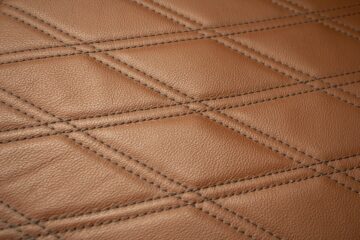
Some details in pet products go beyond material selection and hardware. Techniques like bartacking, reinforced seams, edge finishing, and box stitching help improve durability in high-stress areas. Padding and mesh layering also affect comfort and structural integrity. These details may seem minor individually, but they significantly influence product quality at scale.
How to Evaluate a Custom Pet Product Manufacturer
Choosing a pet product manufacturer involves more than comparing pricing.
Pet Product Experience
A strong manufacturing partner should understand sewn product construction, material sourcing, and scalable production processes. It also helps if they have experience with products that involve webbing, reinforcement stitching, hardware integration, or technical sewing. Ask potential partners if they have experience making products like collars, leashes, pet carriers, and other pet products.
Sampling
Sampling capabilities are another major consideration. Product development almost always involves revisions, especially in categories like harnesses and carriers where fit and usability matter. A manufacturing partner who can do in-house sampling can make the iteration process much faster and smoother.
Communication and Quality Control
Communication also matters more than many brands expect. Delays often happen when approvals, sourcing updates, or production feedback become inconsistent. Manufacturers with strong project visibility and responsive communication can help reduce these issues significantly.
It is also important to see where potential manufacturing partners produce. Domestic manufacturers tend to offer better communication and faster lead times; however, they may be more expensive. Alternatively, overseas production will almost always be cheaper, but production and shipping take much longer.
Scalability
Brands should also evaluate whether a manufacturer can support future growth. A partner that works for small-batch production may not always be equipped for larger-scale manufacturing later on, so have the conversation early.
MOQs, Lead Times, and Customization Options
Minimum order quantities vary widely depending on the product type, materials, and level of customization involved. These requirements exist so that manufacturers can cover their fixed costs for a production run.
Custom hardware, specialty materials, and fully custom constructions may require higher MOQs than stock-based products. Domestic manufacturing may also allow for more flexibility on smaller production runs, while overseas production often becomes more cost-effective at higher volumes.
Lead times are also an important consideration when choosing a production partner. Production timelines are shaped by multiple factors, including:
- Sampling and prototype revisions
- Material sourcing timelines
- Production scheduling
- Shipping and logistics
Custom pet products generally require more planning than many brands initially expect. Sampling can take several rounds before a final sample is created. Also, specialty hardware or branded trims can extend timelines considerably if not sourced early.
If your brand is going for more of a luxe or premium pet product, look for a partner who can offer customization, like printed or dyed webbing, embroidery, debossed logos, and package customization. For embroidered collars, leashes, and branded accessories, Softline’s sister company, Twin Cities Embroidery, can help brands create more customized product lines.
Bringing Custom Pet Products to Market
Choosing the right pet product manufacturer affects far more than production. It affects quality, consistency, scalability, and the overall customer experience associated with your brand. A manufacturing partner that understands sewn product construction, sourcing strategy, and production planning can help reduce risk throughout development and scaling.
Frequently Asked Questions
Are there safety standards for pet products?
Brands are generally responsible for defining safety requirements and testing standards. Manufacturers build products according to the provided specifications and materials.
What materials are most durable for collars and leashes?
Nylon webbing, polyester webbing, reinforced stitching, and high-quality hardware are among the most durable combinations for collars and leashes.
Can a manufacturer improve an existing pet product design?
Yes. Many manufacturers help brands refine construction methods, improve manufacturability, and optimize materials before production.
Start Your Pet Product Project With Softline
Softline Brand Partners supports startups, DTC brands, and established companies with custom pet product development, sourcing, sampling, and manufacturing. From collars and leashes to carriers and travel accessories, our team helps brands move from concept to scalable production. Contact Softline today to discuss your next pet product project.