How to Choose a Custom Briefcase Manufacturer: Materials, MOQs, and What to Look For
Today’s briefcase market offers an increasing number of unique solutions for the modern workforce. With commuter bags, travel-focused bags, and hybrid messenger styles, brands looking to enter this market need a way to differentiate themselves. Choosing the right manufacturing partner can turn a simple briefcase design into a best-selling, brand-defining product for your company. Join us as we explore the most important considerations when choosing a custom briefcase manufacturer, including materials, MOQs, and manufacturer experience.
What Does a Briefcase Manufacturer Actually Do?
A full-service custom briefcase manufacturer may support design refinement, sampling, material sourcing, hardware procurement, production planning, and packaging, providing brands with vertically integrated support throughout the whole process.
For brands that are just entering the briefcase industry, the process often begins with concept development and prototyping. A manufacturer may help refine dimensions, recommend materials, adjust internal layouts, and identify production challenges before manufacturing begins.
Some manufacturers work strictly from finalized tech packs and will only produce products according to predetermined specifications. This kind of manufacturing partner is great for brands that have a very clear vision for their product and who are already familiar with the industry.
Briefcase Materials: Leather, Nylon, Canvas, and Hybrid Constructions
When it comes to designing briefcases or work bags, material selection has a major impact on durability, aesthetics, weight, and manufacturing complexity.
Leather Briefcases
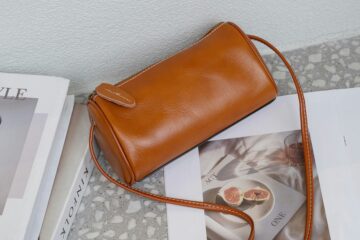
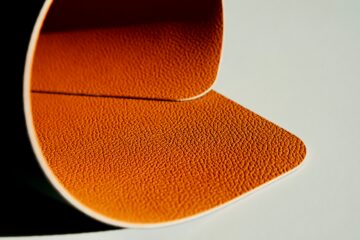
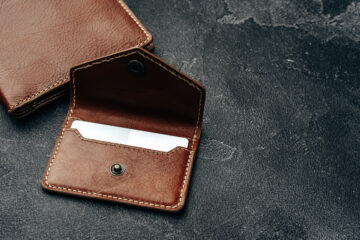
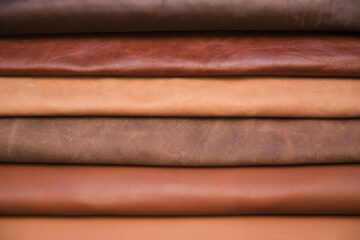
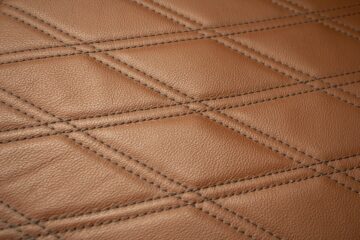
Leather remains one of the most common materials in briefcase manufacturing because of its durability and long-term appearance. Full-grain leather is the highest quality, most durable type of leather. It is often used on premium products.
Top-grain leather provides a more uniform finish and softer feel, making it common in fashion-oriented or contemporary business bags. It is also more affordable than full-grain leather.
Ballistic Nylon and Technical Fabrics
Technical fabrics have become increasingly common in modern briefcase manufacturing, particularly in commuter and travel-oriented bags. Ballistic nylon and Cordura are popular choices for tech-focused bags due to their durability and strength. Brands developing technical briefcases may choose to compare different performance materials during the sourcing phase.
Softline’s capabilities help brands identify and source materials that align with performance requirements and production goals.
Briefcase Styles and Construction Methods
Not all briefcases are built the same way. Construction style is determined by the bags’ intended usage and directly affects manufacturing complexity, labor requirements, and material selection.
Soft-Sided Briefcases
Soft-sided briefcases are typically more flexible and lightweight. They often use fabric, leather, or hybrid panel construction without rigid internal framing. These products are generally easier to manufacture and are commonly used in commuter, lifestyle, and modern office-oriented categories.
Hard-Sided and Attaché Cases
Hard-sided briefcases and attaché cases are perhaps the most traditional kind of briefcase. However, they require significantly more structural engineering.
These products may include:
- Internal frame systems
- Molded reinforcement panels
- Structured foam components
- Locking hardware
- Rigid handle installations
Assembly becomes more complex because multiple reinforcement layers and hardware systems must align precisely during production.
Messenger-Briefcase Hybrids
Hybrid briefcase constructions continue to grow in popularity because they combine professional aesthetics with flexible everyday use. These products often include adjustable shoulder straps, strap conversions, expanded organization systems, and a mixed material construction.
Laptop and Device Compartment Construction
As most working professionals need to carry some kind of device to and from work, a quality, safe device compartment is crucial.
These compartments require careful construction planning, including:
- Foam padding
- Reinforced bottoms
- Suspended laptop sleeves
- Internal structure for weight distribution
- Durable lining materials
The more compartments and organizational features included, the more sewing operations and production steps are required.
How to Evaluate a Custom Briefcase Manufacturer
Choosing the right briefcase manufacturer requires careful consideration and knowing what questions to ask. Here are some of the questions brands should ask potential manufacturing partners to get an idea of their compatibility with your project.
Do you have experience with briefcase manufacturing?
One of the first things brands should evaluate is category experience. Briefcase manufacturing involves structured sewing, hardware integration, reinforcement systems, and detailed finishing work that differs from simpler soft goods categories.
What does the sampling process look like?
Most briefcases require multiple rounds of development and refinement before production begins. Adjustments to padding, strap placement, hardware, edge finishing, and internal layout are common throughout the sampling process.
What quality control mechanisms do you have in place?
Quality control is another critical consideration. Manufacturers should have systems in place to inspect:
- Stitch consistency
- Edge finishing
- Hardware alignment
- Zipper installation
- Reinforcement placement
- Material consistency
What does communication look like?
Communication and project visibility also play a major role in the success of a briefcase launch. Delays in production typically occur when the process is invisible to the brand. Ask upfront about communication and how a potential manufacturing partner will provide clarity throughout the production process.
Manufacturers that provide coordinated development and production oversight typically reduce risk and improve launch predictability.
MOQs, Lead Times, and What Drives Custom Briefcase Pricing
Minimum order quantities can vary significantly depending on material selection, hardware requirements, construction complexity, and production location. For example, a full-grain, hard-sided leather briefcase produced in the USA may have a lower MOQ than a nylon, soft-sided commuter bag produced overseas.
Lead times are also a significant cost factor. Lead times can change throughout the production process, so having a clear line of communication with your manufacturing partner is crucial. It is important to note that structured briefcases typically require longer production timelines than simpler soft goods because they involve more assembly steps and reinforcement systems.
Additionally, design components can contribute to the cost per unit. High-quality leather, custom metal components, or finishing strategies, like debossing or embroidery, can all change pricing structures.
Domestic vs. Overseas Briefcase Manufacturing
Both domestic and overseas production offer advantages depending on the briefcase project.
Domestic Manufacturing
Brands often choose domestic manufacturing to avoid overseas tariffs and to get better production visibility. Domestic partners often provide faster communication, easier revisions, and reduced timelines, which can offer greater flexibility for small production runs.
Overseas Manufacturing
On the other hand, overseas manufacturers typically have a higher production capacity and a lower per-unit cost at scale. Many brands ultimately use a hybrid model, developing and sampling domestically before scaling production overseas.
Bringing a Custom Briefcase to Market With a Vertically Integrated Partner
Developing a successful briefcase line requires coordination across design, sourcing, prototyping, manufacturing, and finishing. With the right manufacturing partner, brands can create a briefcase that meets their needs and goals. Softline Brand Partners helps brands develop custom briefcases through integrated sourcing, sampling, manufacturing, and finishing support. From leather goods and technical fabrics to custom hardware and structured interiors, our team works with brands to build scalable briefcase programs designed for long-term growth. Contact Softline today to discuss your next briefcase project.