Custom Backpack Manufacturing
Backpacks are one of the most versatile product categories in the soft goods industry. They serve students, commuters, travelers, outdoor enthusiasts, professionals, and countless other audiences. While backpacks may appear simple at first glance, designing and manufacturing a successful backpack involves far more than choosing a fabric and adding shoulder straps. Understanding the differences between the types of backpacks and their manufacturing needs can help brands make better decisions before development starts.
What Kind of Backpack Is Your Brand Making?
One of the first questions a manufacturer will ask is what type of backpack you are developing. Every backpack is a combination of material selection, structural design, hardware integration, and construction methods. The requirements for a technical hiking pack differ significantly from those of a lifestyle backpack, laptop bag, or heritage-inspired travel pack.
Technical and Outdoor Backpacks
Technical backpacks are designed for demanding environments and extended use, like biking, camping, or hiking. These products often prioritize weight distribution, durability, weather resistance, and comfort. Common features include padded shoulder straps, adjustable sternum straps, hydration capabilities, and gear attachment points. These products typically require more complex construction and material sourcing than standard consumer backpacks.
Travel and Commuter Backpacks
Travel-focused backpacks often balance organization, durability, and comfort. Many of these backpacks have laptop compartments, internal organizers, and security pockets. These products frequently combine technical performance with professional aesthetics.
Lifestyle Backpacks
Lifestyle backpacks are often designed around appearance and everyday usability. Rather than focusing on functional organization or technical features, this kind of backpack is more likely to feature a clean silhouette and use fashion-forward materials. While these products may appear simpler, achieving consistent construction and premium finishes remains important.
Heritage-Inspired Backpacks
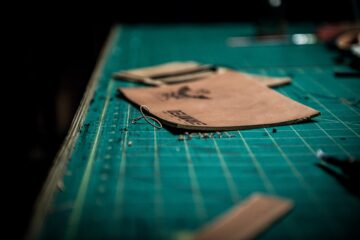
Heritage backpacks emphasize craftsmanship. The focus of these backpacks is often high-quality materials that signal timelessness, like waxed canvas and leather. These products often draw inspiration from traditional outdoor gear and classic travel accessories while incorporating modern functionality.
Materials for Technical, Performance, Heritage, and Lifestyle Backpacks
Material selection affects nearly every aspect of a backpack’s performance, appearance, and manufacturing complexity.
Technical Fabrics
Many performance-oriented backpacks use engineered materials designed for durability and abrasion resistance. Common options include nylon, polyester performance fabrics, TPU-coated textiles, and Cordura. These materials are frequently selected for travel, outdoor, and performance-focused products because they provide durability while maintaining manageable weight.
Heritage Materials
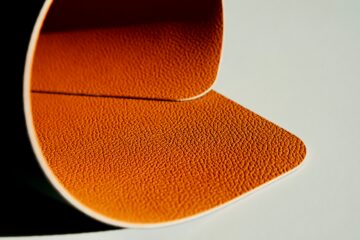
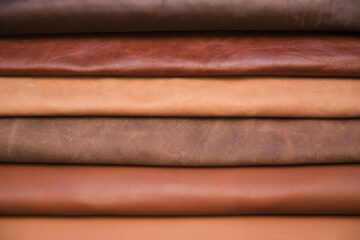
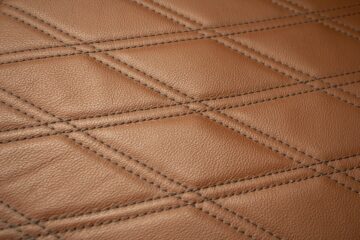
Heritage-inspired products often use materials that develop character over time, like leather or waxed canvas. These materials help create a distinct visual identity and often appeal to consumers looking for products with a handcrafted aesthetic.
Hybrid Material Systems
Many modern backpacks combine multiple materials to achieve a balance of performance and appearance. This can look like combining technical fabrics with a leather trim or adding a waterproof lining to a canvas backpack. The ability to combine materials effectively is often one of the factors that separates experienced manufacturers from general sewing operations.
Construction Details: Straps, Panels, Padding, and Structure
The quality of a backpack often depends on construction details that are not immediately visible to the end user.
Shoulder Strap Construction
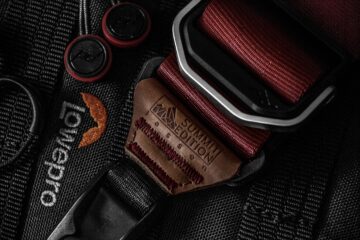
Shoulder straps are among the highest-stress areas of any backpack. Strap padding density, width, and stitch reinforcement can make a huge difference in the comfort and functionality of a backpack.
Panel Construction
Most backpacks are built from multiple sewn panels that create the overall structure. The number of panels, seam locations, and reinforcement methods affect manufacturing complexity, appearance, and material efficiency. Understanding different stitch types in bag construction can help brands appreciate how these details contribute to long-term performance.
Padding and Back Panels
Comfort is often a major differentiator in the backpack category. Manufacturers may incorporate padding or ventilation systems depending on the intended use. The amount and placement of padding vary significantly based on the intended use of the product.
Internal Structure
Some backpacks are intentionally soft and flexible. Others require additional structure to maintain shape and protect contents. Internal structure may include:
- Foam inserts
- Reinforcement sheets
- Divider systems
- Laptop sleeves
- Equipment compartments
These elements improve usability but also increase manufacturing complexity.
Hardware Essentials: Zippers, Buckles, and Attachment Points
Hardware selection has a major impact on durability and user experience. Zippers are among the most frequently used components on a backpack. Choosing the right zippers for a backpack requires careful consideration of intended use, load, and environment.
Technical and outdoor backpacks often feature buckles and other attachment points for accessories and gear. Components like D-rings and compression straps can add flexibility and functionality to the right backpack. The placement and reinforcement of these components are critical to overall durability.
What to Look for in a Custom Backpack Manufacturer
Choosing a custom backpack manufacturer involves more than finding a factory that can sew bags. Backpacks are among the more complex categories within soft goods manufacturing because they combine fabrics, foam, hardware, reinforcement systems, and multiple construction methods.
Product Development Support
Many brands approach manufacturers with concepts rather than fully developed specifications. A manufacturer that provides development support can help refine dimensions, material selection, and manufacturing feasibility.
Sampling and Prototyping
Most successful backpack programs involve multiple rounds of sampling. Look for a manufacturer that can do sampling and work with your brand to create a final product.
Material Sourcing Expertise
Material sourcing becomes especially important when products require specialized fabrics, foam systems, custom hardware, or unique finishes. Experienced manufacturers can often recommend alternatives that improve performance, manufacturability, or cost efficiency.
Domestic and Overseas Production Options
Many brands benefit from having multiple production pathways available. For some projects, US contract manufacturing provides advantages such as improved communication, shorter shipping distances, and easier oversight. Other projects may benefit from overseas production depending on volume requirements and sourcing considerations.
Scalability
Your first production run is rarely your last. The right manufacturing partner should be capable of supporting growth while maintaining consistency, communication, and product quality.
Start Your Backpack Project With Softline
Launching a successful backpack requires more than a great idea. Material selection, construction methods, hardware choices, and manufacturing expertise all influence the final product. At Softline Brand Partners, our experience in custom bag manufacturing supports brands developing technical backpacks, travel bags, lifestyle products, and heritage-inspired collections through both domestic and overseas manufacturing solutions. Contact our team to discuss your next custom backpack project.