Sourcing US Leather Tanneries
For brands developing leather goods, material selection often includes a simple question: where should the leather come from? While global sourcing remains common throughout the leather industry, many companies continue to explore domestic leather sourcing because of its potential advantages in communication, traceability, consistency, and supply chain visibility. If you are researching US leather tanneries, it helps to understand how the domestic leather supply chain works, what types of leather are available, and how manufacturers typically source materials for production.
Why a Brand Might Source Leather Domestically
Domestic sourcing is a decision that brands make for many different reasons. For some brands, sourcing from US leather suppliers supports broader Made in USA initiatives. For others, it is primarily about improving communication, reducing sourcing complexity, or gaining greater visibility into the supply chain.
One potential advantage of domestic sourcing is accessibility. Working with suppliers in similar time zones can simplify conversations about material specifications, sampling, and production planning. Domestic leather sourcing can also provide more transparency regarding material origins, tanning methods, and quality standards.
This doesn’t necessarily mean that domestic leather sourcing is automatically better than getting leather from overseas. Both approaches can produce excellent products. The right choice depends on your brand positioning, product requirements, budget, and overall supply chain strategy.
Hide Types and What Each Is Used For
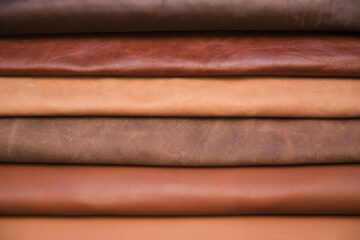
Not all leather starts with the same raw material. Different hide types offer different characteristics, and understanding these differences can help brands select the right leather for their products.
Cowhide
Cowhide is the most common leather used in soft goods manufacturing, accounting for around 67% of all leather. Its durability, availability, and versatility make it suitable for a wide range of products, including bags, belts, and wallets. Cowhide can be produced in a variety of finishes and thicknesses, making it one of the most adaptable materials in the industry.
Calfskin
Calfskin is generally softer and finer than traditional cowhide. Brands often choose calfskin when they want a smoother appearance, softer hand feel, or more refined finish. It frequently appears in premium accessories and luxury leather goods.
Specialty Hides
Some products utilize specialty hides, like goat or alligator, that offer unique aesthetics or performance characteristics. Depending on the application, these materials may be used for accent panels, premium collections, or specialty product lines. Because specialty hides are often sourced in smaller quantities, they may involve different sourcing considerations than more common leather options.
Vegetable Tan vs Chrome Tan: Different Processes, Different Uses
One of the most important considerations when looking for a US leather supplier is how they tan the leather. The most common approaches are vegetable tanning and chrome tanning.
Vegetable-Tanned Leather
Vegetable tanning uses naturally derived tannins to preserve and stabilize the hide. This process often produces leather that is firmer in structure. Vegetable-tanned leather develops a natural patina over time, making it a popular choice for heritage and premium goods.
Chrome-Tanned Leather
Chrome tanning uses mineral-based tanning agents and is widely used throughout modern leather manufacturing. Chrome-tanned leather often provides a softer feel and may perform better in environments where flexibility and moisture exposure are important considerations. Many bags, accessories, and consumer products use chrome-tanned leather because of its versatility and broad range of aesthetic possibilities.
Neither tanning method is inherently better than the other. It is important to consider the end consumer and their lifestyle when choosing which type of tanned leather to use in a product.
Quality Tiers and What Affects Them
Leather quality is often discussed using broad terms, but several factors influence how leather is evaluated.
Hide Quality
The condition of the original hide plays a major role in the appearance of the finished material. Natural markings, scars, insect bites, and other characteristics can affect how the leather is graded and used.
Tanning and Finishing
As previously discussed, the tanning process itself influences consistency, durability, color retention, and performance. Finishing techniques, like oiling, may also affect appearance, texture, and long-term wear characteristics.
Intended Application
The best leather for a product depends on how it will be used. A soft wallet, structured bag, belt, or watch strap may all require different material characteristics. This is why sourcing decisions should always be evaluated within the context of the final product.
How a Contract Manufacturer Sources Leather on Your Behalf
The US tanning industry is smaller than it was several decades ago and smaller than the global market. Like many manufacturing sectors, leather production has experienced consolidation as global supply chains have evolved.
As a result, brands researching US leather tanneries may discover that sourcing today often involves a network of tanneries, distributors, manufacturers, and material partners rather than a direct relationship with a single supplier. This is one reason many companies choose to work through experienced manufacturers. The manufacturer can help navigate sourcing decisions while managing the relationship between material suppliers and production requirements.
Rather than sourcing leather independently and hoping it performs as expected, brands can work with a manufacturing partner that evaluates materials within the context of the finished product.
Start Your Leather Sourcing Project With Softline
Selecting the right leather involves more than choosing a material. Tanning methods, hide characteristics, product requirements, and sourcing strategy all influence the final result.
At Softline Brand Partners, we help brands identify appropriate leather options based on product requirements, performance goals, and brand positioning. Through our experience in small leather goods manufacturing, we work with sourcing partners and suppliers to help clients move from concept to production. Contact our team to discuss your next leather goods project.