Soft Goods Manufacturing Lead Times: How to Estimate Your Production Timeline
One of the first questions many brands ask a manufacturer is, “How long will production take?” The honest answer is that every project is different. The overall manufacturing schedule depends on product complexity, material availability, sampling, production capacity, shipping, and many other factors. Instead of focusing on a single lead time number, it is more helpful to understand the stages that make up a soft goods production timeline. When you know what happens between your first concept and final delivery, you can plan product launches more realistically and reduce the risk of costly delays.
What Are Soft Goods Lead Times?
Lead times refer to the total time required to move a product from concept to finished production. This timeline typically includes multiple phases, including product development, prototyping, material sourcing, production, and quality control. Each stage influences the next, which is why delays early in development can have a huge impact on the overall production schedule.
The Lead Time Stages Most Brands Don’t Account For
Many first-time product developers think manufacturing begins once a purchase order is approved. In reality, production is only one part of the overall timeline.
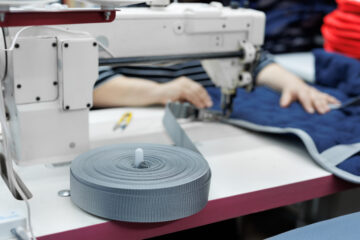
Several activities take place before a production line ever begins cutting fabric or sewing components. These early stages often have the greatest influence on project timing because decisions made during development affect every step that follows. Planning for the entire manufacturing process rather than just production creates more realistic expectations and helps brands avoid rushed decisions later.
Sampling and Prototyping
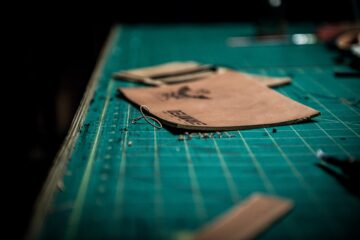
Before production begins, most products go through one or more rounds of sampling. This stage allows manufacturers and brands to evaluate the viability and functionality of the product they designed. Very few products move directly from the first concept into production without revisions.
Prototype feedback frequently leads to adjustments that improve manufacturability, durability, or user experience. Because of this, brands should view sampling as an investment in reducing production risk rather than as an obstacle to launching. Working with a manufacturer that offers sampling and prototyping can simplify this process and improve communication throughout development.
Tooling, Materials, and Component Sourcing
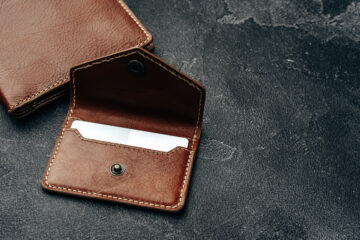
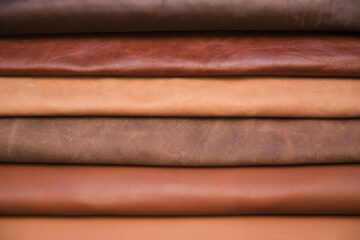
Once the design begins to mature, manufacturers coordinate the materials and components required for production. Depending on the project, this may involve sourcing fabrics, leather, foam inserts, hardware, or packaging. Some products also require custom tooling or specialized cutting methods before production can begin.
Material availability plays an important role during this phase. Custom colors, specialty fabrics, or unique hardware may require additional coordination before manufacturing can proceed. The more customized a product becomes, the more important early planning becomes.
Production Windows by Product Category
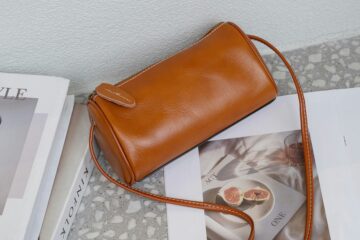
Not every soft goods product requires the same amount of manufacturing effort. Simple products generally involve fewer materials and assembly steps than more complex designs. For example, promotional totes or drawstring bags may require fewer production operations than products like leather duffle bags or camera cases. Rather than asking how long a product category typically takes, it is often more productive to discuss the specific design with your manufacturing partner.
Shipping, Fulfillment, and the Final Mile
Production is not the end of the manufacturing process. Once products are completed, they still need to move through packaging, inspection, shipping, and final delivery. Depending on the project, manufacturers may help brands develop retail packaging, labeling, and a distribution plan.
Shipping requirements vary depending on whether products are manufactured domestically or overseas. Brands should account for transportation, customs requirements where applicable, and receiving schedules when planning product launches.
How Brands Can Keep Projects Moving
While some delays are outside anyone’s control, many can be reduced through planning and communication. Start by defining product requirements and desired launch date as clearly as possible before development begins. This ensures that the brand and manufacturer are on the same page from the get-go.
As production moves along, be sure to respond promptly to prototype feedback and approval requests. Also, allow adequate time for revisions rather than assuming the first sample will be production-ready.
Providing complete specifications and making key decisions early helps manufacturers maintain momentum throughout the project.
Plan Your Next Product Launch With Softline
Successful product launches begin long before production starts. Understanding how sampling, sourcing, manufacturing, and logistics work together allows you to build a more realistic schedule and reduce avoidable delays.
Softline Brand Partners can help you plan a manufacturing timeline that supports your product goals from concept through delivery. Contact our team to start planning your next custom soft goods project.