Foam, Padding, and Structure in Bag Construction: A Brand’s Guide
A bag’s appearance may come from its fabric, but much of its performance comes from what is hidden inside. Foam and padding influence how a bag protects its contents, maintains its shape, and feels in everyday use. For many brands, foam is an afterthought until prototypes reveal problems like collapsed panels, inadequate protection, or uncomfortable shoulder straps. Understanding how foam is selected, cut, and integrated into a bag’s construction can help you build products that perform as intended while remaining practical to manufacture.
Why Foam Matters in Bag Construction
Foam padding serves several purposes beyond cushioning. Depending on the bag, it may provide impact protection, structural support, or carrying comfort. Some bags require only light padding to improve comfort, while others rely on engineered foam components to maintain their shape or protect sensitive equipment.
For example, a structured tote may use internal foam panels to prevent the bag from collapsing when set down. A laptop sleeve relies on padding to help absorb minor impacts during everyday use. Camera bags often combine multiple foam densities to protect delicate equipment while maintaining an organized interior.
The amount and type of foam should always be selected based on how the finished product will be used.
Common Foam Types and What Each Is Used For
Different types of foam offer different combinations of flexibility, resilience, weight, and protective performance.
EVA Foam
EVA (ethylene-vinyl acetate) foam is widely used throughout the soft goods industry because it provides a balance of cushioning, durability, and dimensional stability. Manufacturers commonly use EVA foam in laptop sleeves, camera bags, or other protective travel cases. EVA can often be shaped or laminated to create components that provide support without adding excessive weight.
Polyethylene (PE) Foam
Polyethylene foam is a closed-cell material known for its durability and moisture resistance. It is frequently selected for products that require moisture resistance and lightweight performance. Because it resists water absorption better than many open-cell materials, PE foam is often used in travel, industrial, and outdoor applications.
Open-Cell Foam
Open-cell foams are generally softer and more compressible than many closed-cell alternatives. They are commonly incorporated into shoulder strap padding and back panels. While open-cell foam provides comfort, it generally offers different protective characteristics than more rigid structural foams.
Density, Thickness, and Feel
The density, thickness, and placement of foam and padding all influence how the finished product performs.
Density
Foam density affects characteristics such as support, resilience, and how the material responds under repeated use. Higher-density materials often provide greater structural support, while lower-density foams may prioritize flexibility or comfort. The appropriate density depends on the application rather than a simple “higher is better” approach.
Thickness
Thickness influences both protection and overall product appearance. For example, thin foam may provide light cushioning without significantly changing the profile of a sleeve or pouch. Alternatively, thicker foam can improve impact protection, but may increase weight and bulk. Manufacturers evaluate foam thickness alongside fabrics, linings, and reinforcement materials to ensure the finished product performs as intended.
Feel
How a bag feels when handled is part of the customer experience. Foam contributes to perceived quality, flexibility, and comfort. These characteristics should align with your brand positioning. A premium business bag, for example, may require a firmer structure than a lightweight promotional tote.
How Foam Is Cut, Shaped, and Integrated
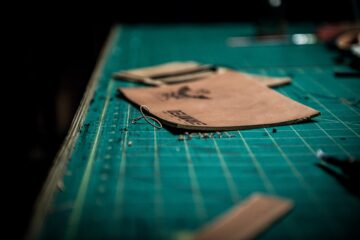
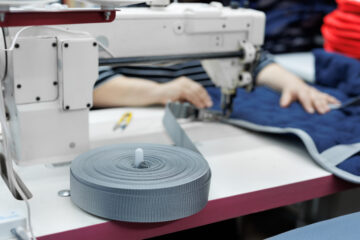
Once the appropriate material has been selected, the next step is incorporating it into the manufacturing process. Foam components are typically cut into precise shapes before being assembled with fabrics, linings, and reinforcement materials. The cutting method depends on factors such as material type, production volume, and component complexity. Manufacturers often combine foam with fabrics through lamination, stitching, or layered construction techniques to create a finished assembly that performs consistently over time.
What to Include in a Tech Pack for Padded Bags
One of the most common reasons prototypes require revision is incomplete material specifications. When developing a padded or structured bag, your tech pack should clearly communicate how foam is intended to function within the product. Depending on the project, useful specifications may include:
- Foam material type
- Foam density
- Component location
- Thickness
- Desired level of structure
- Areas requiring flexibility
- Bonding or assembly requirements
If the product includes removable inserts or protective dividers, those components should also be documented. Providing this information early helps manufacturers source appropriate materials and develop more accurate prototypes.
Build Better Bags With Softline
Foam is one of the most important structural components in many modern bags. The right material, thickness, and construction approach can improve comfort, protection, durability, and overall product quality. Softline Brand Partners can help you source the right materials and integrate them into a manufacturing process designed for scalable production. Contact our team to discuss your next custom bag manufacturing project.