Nylon Bag Manufacturing: Materials, Construction, and Brand Use Cases
Nylon refers to a group of synthetic fabrics made from polymers. Though it was originally created in the 1930s as a replacement for silk, this fabric family has become one of the most widely used materials in a variety of industries, including the bag industry, due to its durability and versatility. For brands developing a new bag, understanding how nylon fabrics are sourced, constructed, printed, and manufactured is an important part of creating a successful product.
The Case for Nylon in Custom Bag Manufacturing
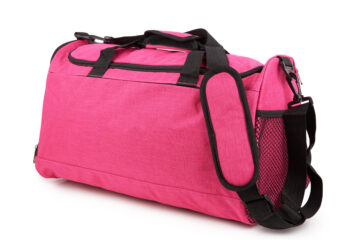
Nylon has remained a leading bag material for decades because it balances performance, appearance, and versatility. Outdoor brands often choose nylon because it offers strong abrasion resistance and low weight, making it a great choice for hiking and outdoor activities. Fashion brands may use nylon because of its design flexibility, compatibility with printing, and wide color selection. Overall, this polymer fabric family is highly versatile and can be used in a multitude of bags like duffles, totes, and backpacks.
Unlike some natural materials, nylon can be engineered to meet highly specific performance requirements. Different weave patterns, coatings, backing materials, and fabric weights allow manufacturers to tailor performance to the product category. For many brands, nylon also provides greater flexibility when balancing durability, aesthetics, and cost considerations.
Types of Nylon Used in Bags
Nylon isn’t just one fabric. It is a whole family of fabrics, each designed for different applications. Understanding these distinctions can help brands make more informed sourcing decisions.
Ballistic Nylon
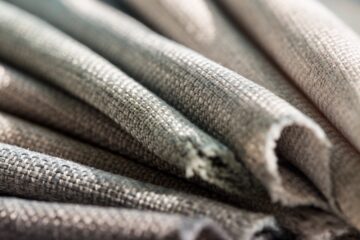
Originally developed for military applications, ballistic nylon is known for its durability and abrasion resistance. Today, it is commonly used in travel bags, equipment cases, and heavy-duty gear. Its dense weave and structured feel make it a popular option for products that need to withstand frequent use.
Ripstop Nylon
Ripstop nylon incorporates a reinforcement pattern that helps limit the spread of tears. Because it offers durability while maintaining a lighter weight, ripstop is frequently used in outdoor gear, travel accessories, and packable products.
Cordura and Other Performance Fabrics
Cordura is a branded family of performance fabrics, many of which are nylon-based and made with high-tenacity yarns. It is commonly used in bags and gear where abrasion resistance, tear resistance, and long-term durability matter. This makes many Cordura fabrics highly durable and resistant to abrasion, tearing, and everyday wear.
Coated and Laminated Nylon Fabrics
Many technical products incorporate coated nylon materials designed to improve moisture resistance or structural performance. These finishes may include polyurethane coatings, TPU laminates, water-resistant finishes, and specialty backing materials. These enhancements can improve performance in demanding environments while maintaining many of nylon’s core benefits.
Construction Techniques Specific to Nylon Bags
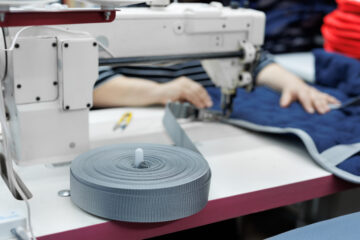
Manufacturing nylon products requires more than simply sewing panels together. Different fabric constructions, coatings, and product requirements often influence how bags are assembled.
Reinforced Stress Points
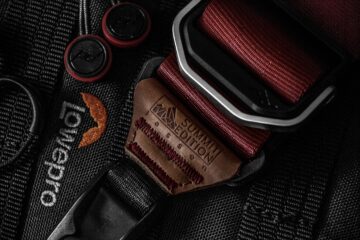
Certain areas of a bag experience significantly more stress than others. Manufacturers often reinforce shoulder strap attachments and handle connections to add even more durability to the nylon fabric. If a bag has any load-bearing seams, like on the bottom of a backpack, these areas may also be reinforced with extra fabric or stitching. These reinforcements help improve long-term durability and reduce the risk of failure during use.
Panel Engineering
Nylon bags are typically built from multiple panels that form the overall structure. Panel design affects material efficiency and manufacturing complexity. Experienced manufacturers often evaluate panel layouts early in development to balance performance and production efficiency.
Seam Construction
Since nylon itself is very strong, the seams on the bag also need to be strong. Proper seam reinforcement and placement are crucial to creating a functional and durable bag.
Structural Components
Many nylon bags incorporate additional structural elements such as:
- Foam padding
- Reinforcement sheets
- Divider systems
- Laptop compartments
- Protective inserts
These components improve usability but also increase manufacturing complexity.
Color, Print, and Branding on Nylon Fabric
One of nylon’s biggest advantages is its ability to support a wide range of colors, graphics, and branding techniques. This flexibility allows brands to create products that align closely with their visual identity.
Color Selection
Nylon fabrics are available in a wide range of colors and finishes. Some products use stock colors, while others require custom color development to match brand standards. Color consistency becomes especially important when products are produced across multiple runs or collections.
Printing Methods
Depending on the fabric and application, nylon products may use different printing methods, like screen printing, to achieve a particular look or design.
Logo Integration
Branding on a nylon bag can be incorporated through embroidery, printed graphics, custom hardware, and patches. The goal is to integrate branding in a way that enhances the product without compromising performance.
What to Look for in a Nylon Bag Manufacturer
Choosing a nylon bag manufacturer involves more than finding a factory capable of sewing bags. The best manufacturing partners understand how material selection, construction methods, sourcing, and product development all work together.
Material Sourcing Expertise
A strong manufacturer should be able to help identify appropriate fabrics based on your product goals. This may involve evaluating fabric weights, coatings, reinforcement needs, and durability targets. Many brands benefit from working with manufacturers that have experience sourcing performance fabrics and coordinating suppliers on their behalf.
Product Development Support
Early development decisions often influence manufacturing efficiency and long-term product performance. An experienced manufacturer can help refine dimensions, material selection, and more.
Sampling and Prototyping
Most successful nylon bag programs go through multiple rounds of sampling. This process helps identify opportunities for improvement before production begins.
Start Your Nylon Bag Project With Softline
Nylon continues to be one of the most versatile materials available for bag manufacturing. Its durability, design flexibility, and compatibility with branding make it a strong choice across a wide range of product categories.
At Softline Brand Partners, our experience in custom bag manufacturing helps brands navigate sourcing, development, prototyping, and production across a wide range of nylon bag categories. Contact our team to discuss your next nylon bag project.