Custom Duffle Bag Manufacturing
A duffle bag is highly versatile and can serve as a gym bag, travel companion, sports equipment carrier, weekender bag, or premium lifestyle accessory. While the category may appear straightforward, successful duffle bag manufacturing requires careful attention to materials, construction methods, hardware selection, and long-term durability. If you are evaluating a custom duffle bag manufacturer, understanding how these products are built can help you make better decisions during product development.
What Makes a Duffle Bag a Duffle Bag?
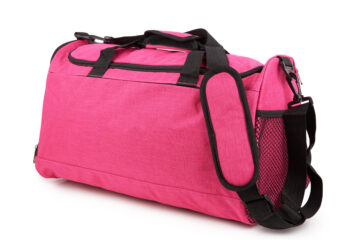
The classic duffle bag is defined by its cylindrical or rectangular shape, large central storage compartment, and flexible carrying options. While modern designs vary considerably, most duffles prioritize storage capacity, portability, and durability.
Today’s market includes a wide range of duffle styles, including gym bags, travel bags, tactical bags, and fashion bags. Each category comes with different design priorities. A gym bag, for instance, may focus on lightweight construction and ventilation. Alternatively, a travel duffle may require reinforced handles, luggage compatibility, and organizational features.
Although the end use may vary, the core challenge remains the same: creating a bag that can withstand repeated loading, carrying, and transportation without sacrificing usability or appearance.
Materials for Performance, Travel, and Heritage Duffles
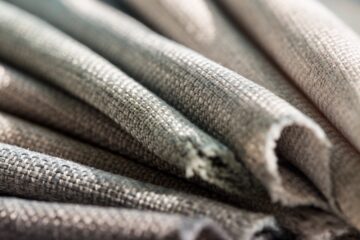
Material selection is one of the most important decisions during duffle bag development. The fabric influences durability, weight, appearance, weather resistance, and overall product positioning.
Performance and Travel Fabrics
Many modern travel and sport-focused duffles use technical materials designed to handle frequent use. Common options include:
- Ballistic nylon
- Cordura
- Ripstop nylon
- Polyester fabrics
- Coated performance textiles
These materials often provide strong abrasion resistance while maintaining relatively low weight. They are commonly used in travel, fitness, and outdoor applications where durability is a primary concern.
Heritage and Lifestyle Materials
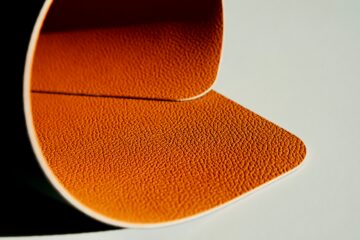
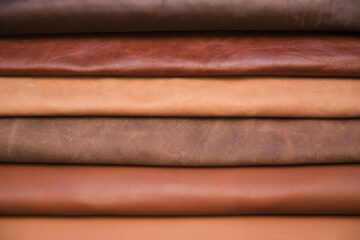
For brands focused on craftsmanship and timeless design, heritage-inspired materials remain popular. Waxed canvas, heavy cotton canvas, and leather continue to appear in premium duffle collections because they create a distinctive aesthetic that appeals to consumers looking for long-lasting products.
These materials often develop character over time, creating a unique appearance that reflects how the bag has been used.
Hybrid Material Constructions
Many manufacturers combine materials to balance performance and aesthetics. Examples include:
- Leather-reinforced canvas
- Nylon with leather trim
- Technical fabrics paired with premium hardware
- Structured bottoms with lightweight body panels
These hybrid constructions allow brands to create products that feel premium while maintaining practical performance characteristics.
Hardware to Spec: Zippers, Handles, and D-Rings
Hardware plays a larger role in duffle bag performance than many first-time product developers realize. Even the strongest fabric can be undermined by poorly selected hardware.
Zippers
The zipper is often one of the highest-use components on a duffle bag. Travel and gym bags may be opened and closed hundreds or even thousands of times during their lifespan.
Manufacturers evaluate zipper selection based on:
- Intended use
- Load requirements
- Weather exposure
- Product positioning
Handle Systems
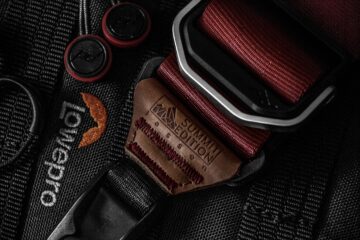
Handles are another critical consideration. The attachment points where handles connect to the bag often experience significant stress. Reinforcement methods, stitching patterns, and webbing construction all contribute to long-term durability.
D-Rings and Shoulder Strap Hardware
Most duffles include removable or adjustable shoulder straps. The D-rings, clips, and adjustment hardware used in these systems must be selected based on anticipated loads and usage patterns. Travel-focused products may require more robust hardware than lightweight lifestyle bags.
Additional Components
Depending on the design, manufacturers may also source:
- Buckles
- Compression straps
- Feet or base protectors
- Cord pulls
- Hook-and-loop closures
- Internal organization hardware
Selecting hardware should be approached as a functional design decision rather than simply an aesthetic one.
Construction Details That Separate Cheap Duffles from Durable Ones
Many consumers judge a duffle bag by its appearance. Manufacturers know that long-term performance depends on what happens beneath the surface. Seemingly minor construction details often determine whether a bag lasts for years or begins to show wear after a short period of use.
Base Panel Reinforcement
The bottom panel of a duffle bag typically experiences more abrasion than any other area. Many premium designs incorporate reinforced bases, additional fabric layers, or structured inserts to improve durability.
Handle Integration
Strong handle systems are often integrated directly into the bag’s structure rather than attached only to exterior panels. This allows carrying loads to be distributed across larger sections of the bag.
Seam Construction
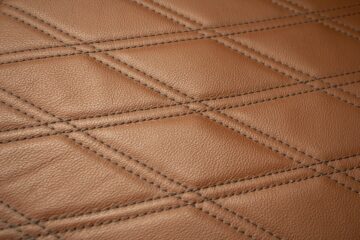
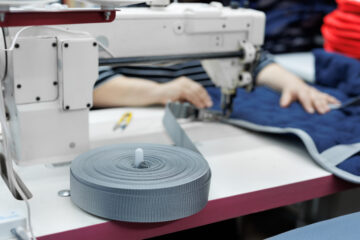
Seams represent another common failure point. Manufacturers may use reinforced stitching, bartacks, binding methods, or multiple seam constructions depending on the product requirements.
Internal Structure
Some duffles intentionally remain flexible and lightweight, while others incorporate foam panels, dividers, or structured components to improve organization and shape retention. These internal elements affect both user experience and manufacturing complexity.
Quality Control
Construction quality extends beyond sewing techniques. Consistent manufacturing processes and quality inspections help ensure that products meet specifications from one production run to the next. Experienced manufacturers build quality control into the process rather than relying solely on final inspections.
What to Look for in a Custom Duffle Bag Manufacturer
When evaluating manufacturing partners, look beyond basic production capabilities and consider the broader development process.
Product Development Support
Many brands approach manufacturers with concepts rather than production-ready specifications. Manufacturers that offer development support can help refine dimensions, recommend materials, and improve manufacturability before production begins.
Material Sourcing Expertise
A strong sourcing network allows manufacturers to identify materials that align with your performance goals, budget, and brand positioning. This becomes especially important when products require specialized fabrics, custom hardware, or unique finishes.
Sampling and Prototyping
Most successful products go through multiple rounds of refinement before production. Sampling allows brands to evaluate construction, usability, materials, and overall performance before committing to larger production runs.
Scalability
Your first production run may not be your last. Manufacturers should be able to support growth as demand increases while maintaining consistent quality and communication.
Bag Manufacturing Experience
Finally, look for a manufacturing partner with proven experience producing travel bags, sport bags, lifestyle products, and other soft goods categories.
Start Your Duffle Bag Project With Softline
Choosing the right manufacturing partner can have a significant impact on product quality and scalability. At Softline Brand Partners, our experience in custom bag manufacturing helps brands in Minneapolis and across the US move from concept to production through sourcing, development, sampling, and manufacturing support. Contact our team to discuss your next custom duffle bag project.