Medical Bag and Case Manufacturing: A Guide for Healthcare Brands
Medical environments demand durability, cleanability, reliable construction, and material compatibility with frequent disinfection. Because of this, healthcare brands looking to design medical bags and cases need manufacturing partners that can support documentation, scalable production, and consistent quality over time.
What a Medical Bag and Case Manufacturer Actually Does
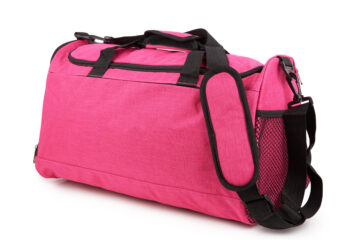
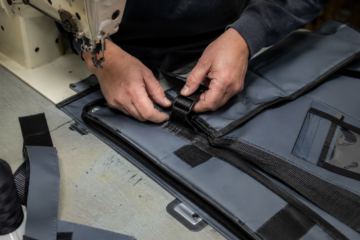
A medical bag and case manufacturer not only sews the panels together but may also support product development, sampling, sourcing, and fulfillment. Medical soft goods often involve technical construction features that go beyond standard bag manufacturing. Products may require structured foam inserts, reinforced compartments, wipeable interiors, specialized padding, or internal organization systems designed around medical equipment and clinical workflows. A specialized manufacturing partner is crucial to ensure these needs are understood and met.
Common Medical Soft Goods Categories
Medical soft goods span a broad range of categories, each with different durability, organization, and material requirements.
Clinician Bags and Mobile Care Bags
Clinician bags are commonly used in home healthcare, mobile nursing, and field care environments. These products often require multiple internal compartments, reinforced dividers, wipeable interiors, and durable carrying systems. Because these bags are frequently transported between locations, abrasion resistance and structural integrity become especially important.
Medical Equipment Cases
Medical equipment cases are designed to protect diagnostic devices, portable instruments, and electronic medical equipment during transport and storage. Construction details like closed-cell foam inserts, protective padding systems, and precision components are used to keep devices safe during transportation and travel.
Instrument Rolls and Soft Organizers
Instrument rolls and organizer systems are commonly used for surgical tools, specialty instruments, and mobile clinical kits. These products require precise pocketing, reinforced stitching, and carefully planned layouts that allow equipment to remain secure while still being easily accessible.
EMS and Field Medical Bags
EMS and field medical bags are typically built for rugged environments and repeated use.
These products often require:
- Heavy-duty fabrics
- Reinforced handles
- Corrosion-resistant hardware
- High-visibility materials
- Large-capacity compartment systems
Pharma Sample and Sales Bags
Pharmaceutical and clinical sales bags may use custom transport systems for samples, product kits, and educational materials. These products often combine organizational functionality with branded presentation and durability for repeated travel.
Lab Specimen Transport and Device Covers
Other medical soft goods like device covers and specimen transport systems prioritize fluid resistance, protective construction, and compatibility with cleaning protocols.
Materials and Construction for Medical Environments
Material selection is crucial for healthcare soft goods.
Cordura and Ballistic Nylon
Cordura and ballistic nylon remain two of the most widely used materials in medical soft goods manufacturing because of their durability and abrasion resistance.
Additionally, cordura is commonly used in EMS and transport applications where products are exposed to repeated movement and heavy wear. Ballistic nylon offers a highly durable structure and is often used in technical carrying systems and device transport cases.
TPU-Coated Fabrics and Wipeable Surfaces
Many medical environments require wipeable and fluid-resistant surfaces. TPU-coated fabrics, vinyl-coated materials, and PU-coated textiles are commonly used because they allow for easier cleaning and improved resistance to moisture and fluid exposure. These materials also help create smoother exterior surfaces that are easier to disinfect.
Closed-Cell Foam and Protective Padding
Protective padding is often integrated into medical equipment cases and transport systems. Closed-cell foam is used because it is moisture-resistant and can absorb shocks on impact.
Hardware and Reinforcement
Medical soft goods often require hardware that can withstand repeated use and harsh cleaning conditions. Common considerations include:
- Corrosion-resistant zippers
- Stainless steel hardware
- Reinforced grab handles
- Heavy-duty hook-and-loop systems
Construction methods also matter. Reinforced seams, bartacking, structured panels, and durable stitching all contribute to the durability that is needed in medical environments.
Cleanability, Durability, and Material Compatibility
One of the biggest differences between healthcare soft goods and consumer products is the cleaning environment. Medical bags and equipment cases are exposed to high-strength hospital disinfectants, isopropyl alcohol, bleach, and repeated sanitation. This makes material compatibility and durability highly important.
Not all fabrics or coatings respond well to repeated chemical exposure. Over time, some materials may discolor, crack, degrade, or lose protective coatings when exposed to aggressive cleaning agents.
Products designed for healthcare environments should account for:
- Chemical resistance
- Surface cleanability
- Moisture resistance
- Seam durability
- Long-term wear under repeated cleaning cycles
The term “medical-grade” is often used loosely in marketing, but for healthcare soft goods, practical performance characteristics matter more than broad terminology. Procurement teams are typically more concerned with cleanability, durability, and material consistency than with generic marketing claims.
Some products may also incorporate antimicrobial-treated textiles, though healthcare brands should evaluate antimicrobial claims carefully and ensure supporting documentation is available when needed.
Are Medical Bags Considered FDA-Regulated Devices?
In most cases, medical bags and carrying systems are not themselves FDA-regulated medical devices. Products like clinician bags, instrument rolls, and protective transport systems generally do not require FDA clearance because they function as accessories or transport systems rather than diagnostic or treatment devices.
However, regulatory considerations can change depending on the intended use of the product. Requirements may become more complicated if products have direct patient contact or serve as a sterile barrier system.
Even for products that are not FDA-regulated, healthcare procurement teams often expect strong documentation practices related to material sourcing, production consistency, and quality oversight.
How to Evaluate a Medical Soft Goods Manufacturer
Healthcare-adjacent products often require technical sewing expertise, structured construction, and careful material selection. Manufacturers should understand how to work with reinforced panels, foam systems, technical fabrics, and specialized compartment layouts.
Sampling and prototyping capabilities are also important. Most medical soft goods products go through multiple rounds of development before production even begins.
Quality control processes also matter significantly in healthcare manufacturing environments. Ask if your manufacturing partner has systems in place to monitor and check stitch consistency, material quality, and panel symmetry.
Communication and documentation are extremely important for healthcare procurement teams managing product and equipment programs. Be sure to keep all documentation related to product production and sourcing.
Why Domestic Manufacturing Often Matters for Medical Brands
For healthcare brands, domestic manufacturing often provides meaningful operational advantages. Shorter communication loops make it easier to manage revisions, approve prototypes, and resolve issues quickly during development and production. Domestic manufacturing also gives brands better visibility across the supply chain, making it easier to provide clear documentation to healthcare procurement teams.
Softline Brand Partners has domestic manufacturing capabilities that can help healthcare-adjacent brands maintain greater visibility and coordination throughout the manufacturing process.
Frequently Asked Questions about Medical Bag Manufacturing
Are medical bags considered medical devices that require FDA approval?
Most carrying cases, transport bags, and accessory soft goods are not FDA-regulated medical devices. Requirements may change depending on intended use and whether the product interacts directly with patient care or sterile systems.
What materials are best for medical soft goods that need to be cleaned and disinfected?
Cordura, ballistic nylon, TPU-coated fabrics, and wipeable vinyl or PU-coated materials are commonly used because of their durability and compatibility with repeated cleaning.
Can manufacturers work with antimicrobial or fluid-resistant fabrics?
Yes. Many manufacturers can source antimicrobial-treated or fluid-resistant materials depending on project requirements and intended applications. Be sure to carefully vet any antimicrobial or fluid-resistant claims made by materials manufacturers.
Start Your Medical Soft Goods Project With Softline
Softline Brand Partners helps healthcare-adjacent brands develop medical bags, equipment cases, and sewn technical products through integrated sourcing, sampling, and manufacturing support. Whether you are developing clinician bags, EMS equipment systems, or technical transport cases, our team can help guide your project from concept to scalable production. Contact Softline today to discuss your medical soft goods project!