From Concept to Production: How Soft Goods Manufacturing Actually Works
The issue for most brands isn’t coming up with a product idea. The hard part is actually translating that idea into a finished run of goods. The concept-to-production process in soft goods manufacturing involves several distinct phases, each requiring different decisions, different expertise, and different timelines. Knowing what to expect at each stage helps brands plan more accurately, avoid costly delays, and choose a manufacturing partner who can actually carry them through the whole process.
What “Concept to Production” Actually Means in Soft Goods
Soft goods manufacturing covers a broad range of products: bags, pouches, accessories, leather goods, home goods, watch straps, and more. The concept-to-production journey for these products looks different from hard goods manufacturing. There’s no injection mold to fill. Every unit is cut, assembled, and sewn by hand or machine, with material behavior, construction method, and operator skill all influencing the outcome.
That’s why the process has to be managed as a whole. A decision made in the design phase affects sampling. A choice made in sampling affects sourcing. Sourcing availability affects production timelines. Brands that treat these as separate engagements with separate vendors often find themselves managing friction instead of product. A full-service soft goods manufacturing partner handles the entire chain and keeps those decisions connected.
Stage 1: Define the Concept Before Engaging a Manufacturer
There’s a meaningful difference between a product idea and a production-ready concept. A product idea might be “a branded tote for our retail launch.” A production-ready concept includes the intended materials, dimensions, functional features, target retail price point, and use case. The more defined your concept is before you engage a manufacturer, the faster your project moves.
At this stage, many brands benefit from creating a simple concept document: a one-page brief with sketches, reference images, and notes on key features. At this stage, brands don’t need a completed tech pack, but they do need to have enough direction that a manufacturing partner can give them an honest assessment of feasibility, cost range, and timeline.
One of the most common mistakes in soft goods product development is waiting until you have a polished design before reaching out to a manufacturer. Early collaboration saves time and money. An experienced partner can flag manufacturability issues before they become expensive, recommend materials based on performance and availability, and help you refine your concept with production in mind.
Stage 2: Design Development and the Tech Pack
Once your concept is aligned, design development translates that vision into a production blueprint. This is where initial sketches evolve into detailed specifications: dimensions, material callouts, stitch types, hardware, closures, branding details, and packaging requirements.
The output of this phase is a tech pack, the definitive reference document for everything your manufacturer needs to build your product consistently. A strong tech pack includes a bill of materials (BOM), construction drawings, colorways, tolerance specs, and any compliance or labeling requirements. The more complete your tech pack, the fewer assumptions your production team has to make, which means fewer errors and fewer rounds of revision.
For brands without in-house product development capability, working with a full-service manufacturer like Softline Brand Partners means tech pack development happens collaboratively. Softline’s design and development team works directly with clients to translate early concepts into production-ready documentation, building the foundation for a clean sampling process.
Stage 3: Sampling
Sampling is where your soft goods product goes from paper to physical reality for the first time. A prototype lets you evaluate how your product looks, feels, and functions before committing to a full production run. Most projects go through at least one or two rounds of sampling, sometimes more for complex constructions or highly detailed designs.
The first sample is typically a proof-of-concept: does the construction work? Do the materials behave as expected? Are the proportions right? Feedback from that first sample informs revisions, and subsequent samples refine the product toward a production-ready standard.
A well-run sampling process protects your investment by confirming quality, construction, and brand alignment before you place a production order. It also establishes the quality benchmark your manufacturer will use to guide the full run, so the 500th unit looks like the approved sample.
Softline’s Samples as a Service program supports this phase with two rounds of professionally crafted samples, along with a bill of materials and sourcing recommendations.
Stage 4: Material Sourcing
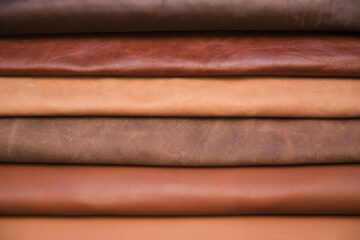
Material sourcing is one of the most underestimated stages in the concept-to-production process. Materials need to meet aesthetic requirements, perform to spec, be available in sufficient volume, fall within budget, and remain consistent across production batches.
Brands that source materials independently may encounter delays from minimum order quantities, long lead times from overseas suppliers, or substitutions that don’t match the approved sample. A full-service soft goods manufacturer with established supplier relationships navigates these challenges more efficiently, often securing better pricing and more reliable availability than a brand sourcing on its own.
Stage 5: Production
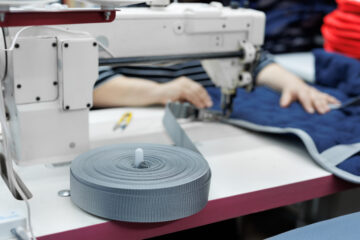
Once your sample is approved and materials are confirmed, production begins. Your approved sample becomes the quality benchmark for the entire run. Materials are cut, sewn, assembled, and finished to match that standard, with quality control checks built in throughout rather than treated as a final step.
Production timelines vary depending on volume, product complexity, and manufacturing location. Domestic soft goods manufacturing in the U.S. typically offers faster turnaround and easier oversight. Overseas production can offer cost advantages for larger volumes but involves longer lead times and more logistics coordination. Some projects benefit from a hybrid approach, starting with domestic runs and scaling overseas as volume grows.
Softline Brand Partners operates domestic manufacturing facilities in the U.S. and overseas manufacturing capacity across multiple locations, giving brands the flexibility to produce in the location that fits their timeline, cost requirements, and quality standards.
Stage 6: Finishing, Packaging, and Delivery
Production doesn’t end when the last stitch is sewn. Finished goods need to be inspected, folded, tagged, packaged, and prepared for delivery to a warehouse, fulfillment center, or retail destination. For brands selling through retail channels or subscription programs, this phase often involves compliance requirements: barcodes, country-of-origin labeling, hang tags, and retail-ready packaging.
A full-service manufacturing partner handles this coordination as part of the process, not as a separate engagement. That means one team managing everything from the initial concept brief through final delivery, which reduces handoffs, minimizes miscommunication, and gives you a single point of accountability across the entire project.
What to Look For in a Concept-to-Production Partner
Not every manufacturer is equipped to support the full concept-to-production journey. Some specialize in production only, expecting brands to arrive with a complete tech pack and approved sample. Others offer end-to-end capabilities but lack specific soft goods expertise.
When evaluating a contract manufacturer for soft goods, look for deep experience with your material types and product categories, in-house design and sampling capability, transparent communication throughout every phase, and the flexibility to scale as your volume grows.
Softline Brand Partners has supported brands from early concept development through scaled production since 2014, working with startups, growing brands, and Fortune 500 companies across leather goods, bags, accessories, home goods, and more.
Frequently Asked Questions
What is the concept-to-production process in soft goods manufacturing?
The concept-to-production process covers every stage from initial product idea to finished goods delivery. For soft goods, this typically includes concept definition, design development, and tech pack creation, sampling, material sourcing, production, finishing, packaging, and shipment. Each phase requires different expertise and builds on the decisions made in the one before it.
How long does soft goods manufacturing take from concept to production?
Timelines vary based on product complexity, number of sampling rounds, material availability, and production location. Domestic manufacturing runs are generally faster than overseas production. A straightforward product with a clean tech pack and quick sample approvals can move through the process in a few months. More complex projects or those requiring multiple sampling iterations may take longer.
Do I need a tech pack before contacting a manufacturer?
Not necessarily. Many brands come to Softline with early-stage concepts and develop the tech pack collaboratively. That said, the more defined your concept is before your first conversation, the faster the process moves. Even a simple brief with reference images, desired materials, and functional requirements gives a manufacturer enough to assess feasibility and provide early cost and timeline guidance.
What is the difference between domestic and overseas soft goods manufacturing?
Domestic soft goods manufacturing, including U.S.-based production, typically offers shorter lead times, easier quality oversight, and simpler logistics. Overseas manufacturing can reduce per-unit costs at higher volumes but involves longer shipping timelines, more complex supply chain management, and less direct visibility into production. Many brands use domestic manufacturing for early runs and shift overseas as volume scales.
How does sampling work in soft goods manufacturing?
Sampling produces a physical prototype of your product based on the approved tech pack. Most soft goods projects go through at least two sample rounds. The first sample confirms construction and fit. Subsequent rounds incorporate feedback and refine the product toward a production-ready standard. Once a sample is approved, it becomes the quality benchmark for the full production run.
Ready to Move Forward?
Whether you’re starting with a rough idea or arriving with a tech pack in hand, Softline can meet you where you are. Contact Softline Brand Partners to talk through your project and get a clear picture of what the path from concept to production looks like for your specific product.