Balancing Form and Function: The Design Psychology Behind Everyday Soft Goods
In soft goods, beauty and utility should be collaborators, allowing designers to create functional pieces that fit with individual aesthetics. Design psychology is at the core of the form and function dichotomy, exploring how these features shape user behavior, perception, and emotional response. Here’s how great soft goods design engages both mind and hand, and why that matters for building lasting customer loyalty.
Usability Builds Habits (and Loyalty)
We tend to reach for products that work without friction. A pouch that opens in one smooth zip, a bag that reveals exactly what we’re looking for, a handle that feels right in the hand. These details seem small, but they’re the ones users remember.
Good design anticipates real use:
- Zippers open with the right tension and in the direction users expect
- Pockets are placed where fingers naturally land
- Closures are satisfying and secure, but never fussy
- Items slide in and out cleanly, even when on the move
When these experiences are seamless, users don’t have to think about how to use a product; they just use it. It seamlessly flows into their life, building brand trust.
Form Triggers Emotional Resonance
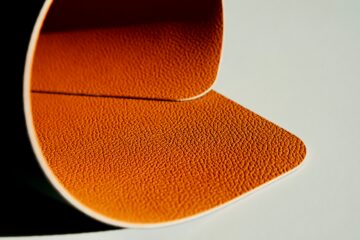
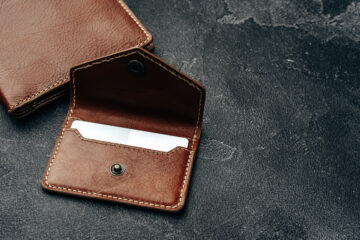
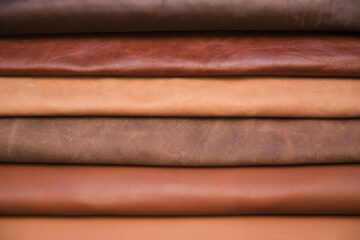
The best-designed products tell a visual and tactile story. The way a leather good patinas with age, the symmetry of a stitched seam, or the way the color palette plays off metal hardware can speak to a customer. Studies even show that textiles can have an impact on an individual’s mood or stress.
Design choices communicate mood, quality, and values:
- Clean lines and structured silhouettes evoke modernity and order
- Rounded shapes and warm textures feel approachable and friendly
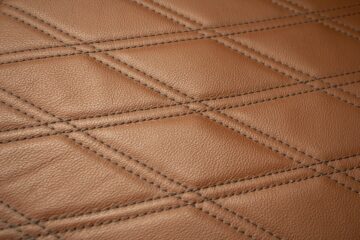
- Subtle contrasts in stitching or edging can signal quiet craftsmanship
- High-contrast, bold designs capture attention and confidence
People connect emotionally with the things they choose to carry, wear, or use every day. Form is where that connection begins.
The Feedback Loop Between Form and Function
When form and function are developed in isolation, products often fall short. A beautifully shaped satchel might sag under weight if the construction isn’t reinforced. A perfectly sized pouch might feel forgettable if its design lacks personality.
However, when the two are developed together, when each functional choice is made with the brand’s visual language in mind and each design detail enhances usability, the product feels like it couldn’t exist any other way. This synergy is what turns a practical item into a favorite.
Design Psychology Drives Brand Loyalty
Customers don’t just come back because they liked a product. They return because they felt something using it, and that feeling aligned with how they see themselves or who they want to become.
Design contributes to:
- Consistency: A product that feels thoughtful and intuitive builds brand trust
- Identity: Design cues help customers recognize your brand’s aesthetic instantly
- Storytelling: Materials, finishes, and shapes can convey your values better than any hang tag
- Pride of Ownership: If a product is both beautiful and useful, people share it, recommend it, and invest again
When design psychology supports the brand promise, the product itself becomes a loyalty engine.
How Softline Helps Brands Balance Both
At Softline, we partner with brands to bring products to life that reflect both visual intent and everyday function. Our design and development process includes refining product shapes and lines for aesthetics and usability. We also help source materials that support tactile feel, product structure, durability, and brand sustainability. Whether you’re building a utility-driven product or launching a lifestyle line, we help you balance visual storytelling with real-world utility, so your products feel intentional from the first glance to the hundredth use. Ready to bring your next soft goods idea to life? Contact Softline today.