How Brands Manufacture Custom Accessories
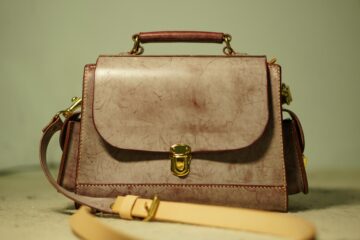
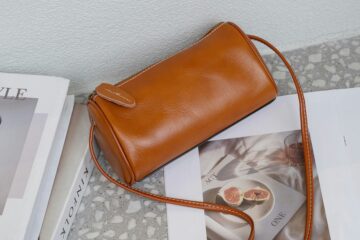
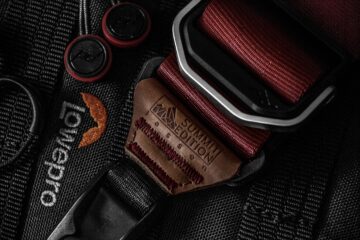
From branded tote bags to leather pouches and custom strap goods, accessories are often the entry point for growing a product line. They are versatile, brandable, and relatively fast to bring to market. But for many startups and even established brands, the process behind manufacturing custom accessories is not always clear-cut. Understanding how products move from idea to production can help your brand make better decisions, reduce risk, and choose the right manufacturing partner. Here’s a step-by-step look at how brands develop and manufacture custom accessories such as bags, pouches, leather goods, and other soft accessories.
Step 1: Define the Product Concept
Every product starts with an idea, but the brands that succeed are the ones that refine that idea early. Before reaching out to a manufacturer, it is important to clearly define what you are creating and why it matters.
This includes identifying the product type, such as a canvas tote, leather pouch, or branded strap, as well as the intended use and target audience. A well-defined concept also considers pricing, positioning, and how the product fits into a larger brand strategy.
At this stage, many brands create a simple concept document with sketches, inspiration images, and notes on features or materials. This does not need to be highly technical, but it should communicate your vision clearly enough for a manufacturing partner to understand.
Step 2: Partner With a Manufacturer Early
One of the biggest mistakes brands make is waiting too long to find a manufacturer. Early collaboration can save time and money.
A partner like Softline can help evaluate your concept for manufacturability, recommend materials, and identify potential challenges before they become expensive problems. For example, an experienced soft goods manufacturing partner can help brands figure out what types of materials will work best for a tote bag they are designing. This is especially valuable for startups that may not have in-house product development experience.
Step 3: Design and Development
Once the concept is aligned, the next step is turning that idea into a product that can actually be produced. This involves refining details such as dimensions, materials, construction methods, and hardware.
Depending on your starting point, this may include developing or refining a tech pack in collaboration with your manufacturing partner. Key elements include material selection, stitching methods, closures, branding details, and packaging requirements.
This phase should be highly collaborative. Your manufacturer provides input on what will work best for production, while you ensure the product stays aligned with your overall brand vision.
Step 4: Sampling and Prototyping
Sampling is where your product becomes real. A prototype allows you to evaluate how the accessory looks, feels, and functions before committing to production.
Most projects go through at least one or two rounds of sampling. The first sample tests overall construction and materials, while later versions refine details and address any issues.
This step is critical because it sets the standard for production. The final sample will become the reference point for quality, materials, and construction moving forward. For many brands, domestic sampling can allow for faster iteration and closer collaboration, especially during early development.
Step 5: Material Sourcing and Production Planning
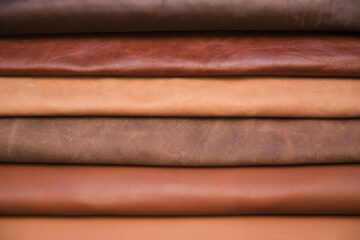
Once the sample is approved, the focus shifts to sourcing materials and preparing for production. This includes securing fabrics, leather, hardware, labels, and packaging components.
A strong manufacturing partner will help manage this process and ensure materials meet your specifications, budget, and compliance requirements. They can also assist in identifying alternative materials if availability or cost becomes a concern.
Once materials have been chosen, brands need to finalize order quantities, price expectations, and delivery timelines.
Step 6: Cut-and-Sew Manufacturing
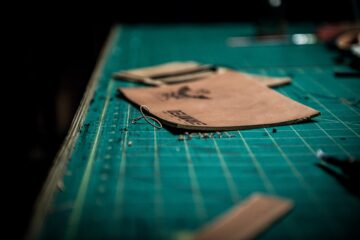
With everything in place, production begins. In cut-and-sew manufacturing, materials are cut into pattern pieces and then sewn together to create the finished product.
This process includes cutting, stitching, assembly, finishing, and quality checks. Skilled operators and consistent processes are essential to maintaining quality across every unit.
Brands can choose between domestic manufacturing and overseas production depending on their priorities. Domestic production often offers faster timelines, more visibility, and flexible order quantities, while overseas manufacturing can support higher volumes and more cost-sensitive production.
Step 7: Quality Control and Finishing
Quality control is built into multiple stages of production. This includes monitoring materials, construction, and final assembly to ensure consistency with the approved sample.
After inspection, products are finished according to your requirements. This may include labeling, packaging, or kitting for retail or direct-to-consumer fulfillment.
Step 8: Delivery and Ongoing Production
Once production is complete, products are shipped to your warehouse, fulfillment partner, or retail destination. From there, brands can evaluate performance, gather feedback, and plan future runs.
Many brands treat their first production run as a learning phase. Feedback from customers and internal teams can inform improvements, new variations, or expanded product lines.
With the right partner, reorders and scaling become more efficient over time.
Why the Right Manufacturing Partner Matters
Custom accessory manufacturing is not just about finding a factory. It is about working with a partner who can support your product from concept through production.
Softline supports brands across the product lifecycle, whether that means helping refine an early concept, developing samples, sourcing materials, or managing production. For many startups, the biggest value is not just production, but reducing risk through better planning, communication, and execution.
Bringing Your Product to Life
Manufacturing custom accessories is a structured process, but it does not have to be overwhelming. With the right preparation and the right partner, you can move from idea to finished product with confidence.
At Softline, we work with brands at different stages, from early concept development through domestic manufacturing and scaled production. Whether you are creating your first product or expanding your line, our team helps you navigate each step with clarity.
Custom accessories offer brands a powerful way to build identity, test new ideas, and connect with customers. By understanding the manufacturing process and collaborating with an experienced partner, you can reduce risk and create products that are both high quality and scalable.
Start Your Project With Softline
Softline Brand Partners helps startups and established brands design, sample, and manufacture custom accessories with clarity and efficiency. From concept to delivery, our team supports each stage of the process. Contact us today to start your custom accessory project.