The Role of Die Cutting in High Volume Manufacturing for Soft Goods
When production moves from small runs to higher volumes, efficiency and consistency become critical. For many soft goods and component-based products, die cutting plays a key role in high-volume manufacturing, especially in precision die cutting for leather, textiles, and industrial components. From leather straps and fabric panels to reinforced components and branded patches, die cutting helps manufacturers produce precise, repeatable parts at scale.
What Is Die Cutting in Manufacturing?
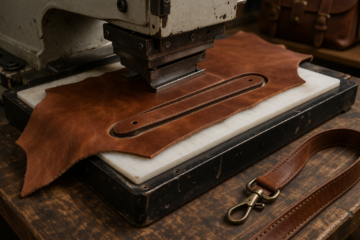
Die cutting is a manufacturing process that uses a custom-shaped steel die to cut materials into consistent, repeatable parts for production. This process is widely used for its precision and efficiency.
In soft goods manufacturing, die cutting is commonly used for:
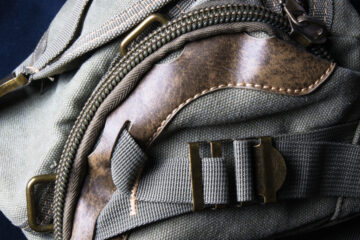
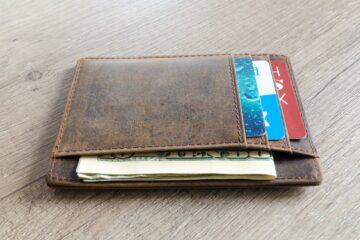
- Leather components such as straps, tabs, and panels
- Fabric pieces for bags and accessories
- Reinforcement layers and padding materials
- Branded patches and trims
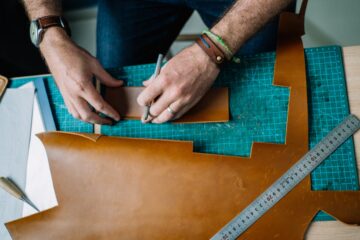
Unlike manual pattern cutting, die cutting ensures each piece is exactly the same. This level of precision becomes especially important as production volumes increase.
Why Die Cutting Matters in High Volume Manufacturing
As production grows, even small inconsistencies can create larger issues. Slight variations in size or shape can affect how components fit together, slow down assembly, or lead to quality concerns in the final product.
Die cutting helps solve these challenges by introducing consistency into the earliest stage of production. With a properly designed die, each cut piece matches the exact specifications of the approved sample. This reduces variability and allows production teams to work more efficiently.
In high-volume manufacturing environments, precision die cutting can significantly reduce labor time while improving consistency across thousands of units.
Improving Efficiency and Throughput
One of the biggest advantages of die-cutting manufacturing is speed. Once a die is created, manufacturers can cut multiple layers of material at once, significantly increasing output compared to manual cutting methods. This is especially useful for products with repeating components, such as straps, panels, or inserts.
Faster cutting helps keep the entire production line moving. When materials are prepared efficiently, sewing and assembly teams can operate without delays.
Over the course of a production run, these efficiencies can reduce lead times and improve overall production output.
Supporting Precision and Quality Control
Precision die cutting impacts product aesthetics, how a product performs, and its durability. In products like bags and leather goods, components must align correctly for seams to sit properly and for hardware to function as intended. Even small inconsistencies can lead to uneven stitching, stress points, or premature wear.
Die cutting supports tighter tolerances across all components. This makes it easier to enforce quality control standards and ensures that each product meets the same specifications as the approved sample.
It also simplifies quality control processes. When all components start from the same baseline, it becomes easier to identify and address issues during production.
Material Efficiency and Waste Reduction
Material usage is a major factor in production cost, especially when working with leather or specialty textiles. Industrial die cutting can improve material efficiency by optimizing how pieces are laid out and cut. Well-designed dies allow manufacturers to maximize yield from each hide or roll of fabric, reducing offcuts and scrap. This is particularly valuable for brands working with higher-cost materials or those looking to improve sustainability by minimizing waste.
When Die Cutting Makes Sense
Die cutting is most effective when products include repeatable components and are produced in moderate to high volumes.
It is commonly used for:
- Strap goods and belt components
- Leather and textile panels for bags
- Reinforcement pieces and internal structures
- Patches, labels, and branded elements
For very small runs or highly customized products, manual or digital cutting methods may be more practical. In those cases, the cost of creating a custom die may not be justified.
A manufacturing partner can help determine the right approach based on your product design, order volume, and long-term production plans.
The Role of Die Cutting in Product Development
Die cutting is not just a production decision. It often influences how a product is designed. Designing with die cutting in mind can simplify production and improve scalability. This might include standardizing component shapes, reducing unnecessary complexity, or aligning design features with efficient cutting layouts.
For brands planning to scale, thinking about die cutting early in the development process can help avoid redesigns later.
Working With a Manufacturing Partner
Implementing contract die cutting effectively requires coordination between design, development, and production teams. A manufacturing partner like Softline can help evaluate your product to determine where die cutting makes sense and how it can improve efficiency. This includes developing custom dies, planning material usage, and integrating die cutting into the overall production workflow.
For brands producing soft goods, leather accessories, or component-based products, this level of collaboration helps ensure that the product is built for both quality and scale.
Die cutting is a foundational process in high-volume manufacturing, especially for soft goods and component-driven products. It improves precision, increases efficiency, and supports consistent quality across production runs. By understanding how the die-cutting process works and incorporating it into your production strategy, you can create products that are easier to manufacture and more reliable in the market.
Explore Contract Die Cutting With Softline
Softline Brand Partners supports brands in contract die cutting and precision component manufacturing for soft goods, leather products, and accessories. Our team helps you identify the right processes for your product, improving efficiency, consistency, and scalability. Contact Softline today to learn how our die-cutting manufacturing and precision production services can support your next project.