Why Manufacturing Quality Assurance Matters for Brand Reputation
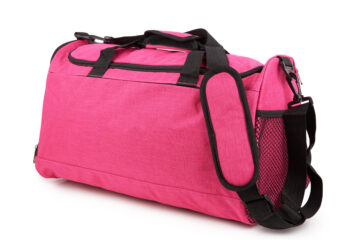
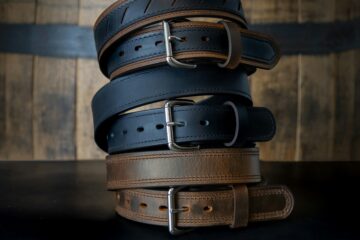
A quality product is about more than making a nice bag or belt. A quality product is a reflection of the brand itself. Defective products can lead to returns, negative reviews, and lost trust. At scale, quality issues can impact retailer relationships and long-term brand perception. That is why manufacturing quality assurance and quality control are not just operational steps. They are critical safeguards for your brand’s reputation. Whether you are producing leather goods, bags, or custom soft accessories, understanding how manufacturing quality assurance works and choosing a partner that prioritizes it can help you avoid costly setbacks and deliver consistent products to your customers.
What Is Quality Control in Manufacturing?
Quality control is the process of monitoring the entire production process, including materials, production steps, and finished goods, to make sure products meet the previously defined standards for consistency and performance. It works alongside quality assurance, which is the manufacturing partner’s strategy for preventing issues through planning and process design.
Quality assurance and quality control allow manufacturers to deliver quality products, reduce defects, and improve consistency across batches.
The Real Cost of Poor Quality
Quality issues rarely stay contained. A small defect at the production stage can quickly become a larger problem once products reach customers.
Common outcomes include increased returns, negative reviews, and delays caused by rework or production adjustments. Studies show that 69% of consumers consider quality a bare minimum, underscoring that it is non-negotiable.
For startups and growing brands, these risks are especially important to manage. Early customer experiences often shape long-term brand perception, which makes consistency from the first production run critical.
Where Quality Control Happens in the Manufacturing Process
Effective quality assurance and control in manufacturing is built into multiple stages of production rather than treated as a final checkpoint.
Material Review
Quality starts with raw materials. Leather, textiles, hardware, and trims are reviewed for consistency and alignment with product specifications. Slight variations in thickness, color, or finish can impact appearance and performance in the final product.
Pre-Production Alignment
Before production begins, teams align on the approved sample, specifications, and bill of materials. This ensures that everyone is working from the same reference point and that expectations are clearly defined.
In-Process Checks
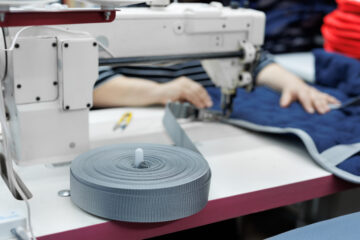
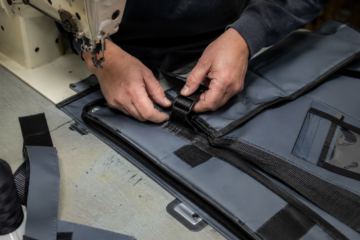
During production, teams check in at key steps, such as cutting and stitching, to assess potential problems. This helps identify issues early, whether it is seam construction, component placement, or material handling.
Final Inspection
Once production is complete, finished goods are reviewed against the approved sample and defined quality standards. This includes checking dimensions, construction, materials, and overall finish before products move to packaging and shipment.
The Role of Domestic Manufacturing in Quality Control
Domestic manufacturing can support strong quality outcomes by allowing for closer collaboration and faster communication.
With production based in the United States, brands often benefit from shorter feedback loops, greater visibility into the process, and more direct alignment on quality expectations. This can be especially valuable during early production runs or for products that require a higher level of detail.
While overseas production offers advantages for scale and cost, domestic manufacturing is often chosen for projects where speed, oversight, and consistency are priorities.
Manufacturer Collaboration and Accountability
Quality assurance and quality control depend on clear communication and collaboration between the brand and the manufacturing partner.
A strong partner works closely with your team to define quality standards, maintain consistency across production runs, and address issues as they arise. This includes sharing updates, aligning on expectations, and making adjustments when needed.
At Softline, this collaborative approach helps ensure that products are built to spec while maintaining flexibility throughout the process.
Quality and Product Consistency at Scale
Manufacturing quality assurance is not only about preventing defects. It also plays a key role in maintaining consistency as production scales.
This is especially important for products with multiple components, such as strap goods, leather accessories, and assembled soft goods. Consistent materials, construction methods, and quality checks help ensure that each unit matches the approved standard.
Strong quality control processes make it easier to scale production while maintaining your product’s integrity.
Building Quality Into Your Brand
Quality should be a foundational part of your brand’s product strategy. This means choosing the right materials, setting clear expectations, and investing in quality sampling. Working with a manufacturing partner who understands your expectations is key to success. For brands producing custom accessories and soft goods, this approach leads to more reliable products and better customer experiences over time.
Manufacturing quality assurance and quality control protect your brand and support your brand growth. By understanding how manufacturing quality control works and partnering with an experienced team, you can improve consistency, reduce risk, and build a stronger reputation in the market.
Partner With Softline for Quality-Assured Manufacturing
Softline Brand Partners supports brands with quality-focused domestic and overseas manufacturing, combining strong quality control processes with hands-on collaboration. From sampling and sourcing to production and final inspection, our team helps ensure your products meet your standards and are delivered consistently. Contact Softline today to learn how our manufacturing quality control processes can support your next product.