Ballistic Nylon vs Cordura vs Ripstop: Choosing the Right Performance Fabric
“Ballistic nylon,” “Cordura,” and “ripstop” get used almost interchangeably in product descriptions, and they shouldn’t be. They behave differently under abrasion, weigh different amounts per square yard, and price differently when a contract manufacturer quotes a production run.
Choosing wrong can cost you a category. A tactical bag in lightweight ripstop won’t survive its first deployment, and a fashion duffel in heavyweight ballistic nylon will photograph wrong in the customer’s hand. This guide breaks down what each fabric is and how to match it to your bag program. Softline Brand Partners runs all three through our custom bag manufacturing programs.
The three performance fabrics brands to choose from
Ballistic nylon, Cordura, and ripstop are the workhorses of the performance bag industry. They all happen to be nylon-based, which is part of why the names blur together, but the construction and weave methods are completely different.
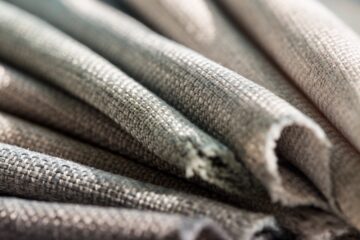
- Ballistic nylon is named for its origin: it was developed during WWII to make flak jackets. Today, it is a heavyweight basket-weave nylon — dense, hard-wearing, and used where abrasion resistance under load matters most.
- Cordura is a brand name, not a fabric type. It refers to a family of high-tenacity nylon fabrics produced under the Cordura trademark, in weights ranging from lightweight to heavyweight. It typically uses air-textured yarns and resists tearing and abrasion exceptionally well.
- Ripstop is a weaving technique, not a single fabric. Heavier reinforcement threads are woven in a grid pattern at regular intervals, so a small tear stops at the next grid line instead of spreading.
Ballistic nylon — strengths, weight, and where it shines
Ballistic nylon’s strength comes from its density. The basket weave packs more yarn into the same square inch than a standard plain weave, which produces:
- High abrasion resistance under sustained contact: a duffel dragged across concrete, a backpack base rubbing against gear.
- Strong tear resistance once the fabric is breached.
- A characteristic luster…the dense weave reflects light in a way customers recognize as premium technical.
The tradeoff is weight. Ballistic nylon at the heavyweight end feels heavy in the hand and adds shipping cost. The fabric is also less flexible than ripstop or Cordura. It holds its shape, which is great for structured duffels and bad for collapsible packs. Common uses include business travel duffels, hard-wearing computer bags, and gun cases. Softline regularly works with ballistic nylon for travel and business categories, alongside Cordura, in the same program.
Cordura — what makes it different and when to use it
Cordura is the most flexible of the three because it is not one fabric. It is a brand family that spans many weights, weave patterns, and finishes. That makes it the most-specified performance fabric in the bag industry. The same brand label can apply to a lightweight pack cloth and a heavyweight base fabric on the same product.
- Cordura fabrics are typically air-textured nylon with high tear strength, abrasion resistance, and good retention of water-resistant coatings.
- Heavier-weight Cordura is the standard for military and tactical bags, where it competes directly with ballistic nylon and often replaces it for weight reasons.
- Lighter-weight Cordura shows up in everyday backpacks, travel bags, and fashion-meets-function products where customers want technical credibility without the heaviness of ballistic.
A common pattern in Cordura and other heavy-duty fabrics is to use a heavier base fabric and a lighter shell in the same bag. Softline routinely runs programs with mixed-weight Cordura constructions.
Ripstop — when grid-weave construction makes sense
Ripstop is not tougher than ballistic nylon or Cordura on first contact. It is lighter and more tear-tolerant. Its job is to keep a small puncture from becoming a big rip.
- Best for products where weight matters and abrasion resistance is secondary – packable bags, lightweight daypacks, travel cubes, ultralight outdoor gear.
- Often laminated or coated for water resistance, since the base fabric is thinner than Cordura or ballistic.
- The grid pattern is also a visual choice. Customers in the outdoor and adventure-travel space recognize the weave and read it as technical.
Ripstop almost never makes sense as the primary fabric on a heavy-duty bag, but it is a strong choice for any program where shipping weight, packability, or ultralight positioning is a design priority.
Side by side at a glance — abrasion, weight, water, cost
Here’s how they rank across the properties that matter most:
- Most abrasion-resistant under contact load: ballistic nylon, then heavyweight Cordura, then ripstop.
- Lightest: ripstop, then lightweight Cordura, then ballistic nylon.
- Best at stopping a tear from spreading: ripstop by design, with Cordura close behind.
- Most construction flexibility: Cordura, thanks to the breadth of weights and finishes available within the same brand family.
- Typical cost order: ripstop lowest, lightweight Cordura mid, heavyweight Cordura, and ballistic highest.
Most production-grade bags use more than one of these fabrics in the same product.
Which fabric for which bag category
- Tactical and military: heavyweight Cordura or ballistic nylon. Ballistic for the look-and-feel premium; Cordura for weight savings.
- Travel: depends on positioning. A premium business travel duffel often runs ballistic; a lightweight rolling carry-on or packable duffel runs ripstop.
- Outdoor and adventure: a mix: heavy contact zones in Cordura or ballistic; body panels in ripstop.
- Lifestyle and fashion-tech: lightweight Cordura is the default…performance look without the weight of true tactical fabrics.
The right answer for a performance fabric program is usually a combination rather than a single fabric. A contract manufacturer that works across all three can build the right blend into the same product.
Frequently asked questions
Is ballistic nylon stronger than Cordura?
In abrasion resistance under load, ballistic nylon’s dense basket weave usually edges out Cordura at comparable weights. In terms of tear strength and flexibility, heavyweight Cordura often wins. Most product-development decisions come down to weight and feel, not absolute strength.
What is Cordura made of?
Cordura is a brand family of high-tenacity nylon fabrics. The yarns are typically air-textured nylon, woven and finished to spec under the Cordura trademark.
Is ripstop fabric waterproof?
Not on its own. Ripstop is a weave pattern, not a coating. Water resistance comes from finishes or laminates applied to the fabric. Coated ripstop nylon is common in rain shells and travel gear.
Can the same manufacturer work in all three fabrics?
Yes. Softline routinely works with ballistic nylon, Cordura, and ripstop on the same production floor, often in the same product. Vertically integrated manufacturers handle multi-fabric programs as part of the standard scope, with fabric quality control applied consistently across the three.
Choose the fabric that fits the program
Ballistic nylon, Cordura, and ripstop are not interchangeable, and the strongest bag programs treat them as a toolkit rather than a one-or-the-other decision. The right contract manufacturer will help you choose the combination that best matches your category, weight target, and durability story.
By Softline Brand Partners — Request a quote for custom performance bag manufacturing.