How Cut-and-Sew Manufacturing Actually Works (Buyer Guide)
If you’re a founder or sourcing manager developing a soft goods product, like a backpack, pouch, tote, or small leather item, you’ve probably come across the term cut-and-sew manufacturer. It sounds straightforward, but for first-time buyers, the process behind it can feel opaque and confusing. What actually happens after you hand off your design? Who does what? And how do you set yourself up for success? Whether you’re working with a domestic partner or an overseas factory, understanding the flow of production will help you make smarter decisions, avoid costly missteps, and get to market with a product you’re proud of.
What Is Cut-and-Sew Manufacturing?
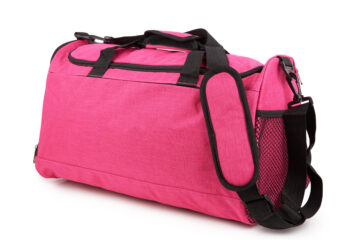
At its core, cut-and-sew manufacturing is a production method in which fabric or leather is cut into pieces and sewn together to form a finished product. This method is used across a wide range of soft goods, including custom bags and travel gear, as well as accessories, organizers, and apparel.
Unlike molded or injection-molded goods, cut-and-sew offers far more flexibility in design, fabric choice, and construction techniques. It’s the go-to method for most startup and boutique brands building high-quality, design-forward products.
A cut-and-sew partner is a factory or production house that turns your design into a physical product by executing three core steps: cutting material into pattern pieces, sewing these pieces and components together, and adding finishing touches like closures and labels.
The Pre-Production Phase: What You Need Before Manufacturing Starts
Before a needle touches fabric, there’s a foundational stage where the product is defined, and the details are finalized. This typically includes the following activities.
Product Design and Prototyping
You’ll start with a concept, sketches, and eventually, a prototype. A single sample may go through several iterations before it’s approved for production. This is where design, fit, function, and feasibility come together.
Tech Pack Development
Your tech pack is the manufacturing blueprint. It should include:
- Flat sketches with construction callouts
- Bill of materials (BOM)
- Size specs and tolerances
- Stitch types and seam instructions
- Hardware details and color codes
- Label and packaging instructions
The more detailed your tech pack, the fewer assumptions your manufacturer has to make, which means fewer errors and delays.
Material Sourcing
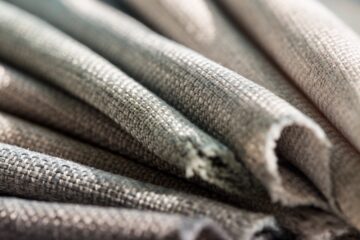
You’ll need to finalize materials, trims, hardware, and packaging components. Some brands source these directly; others work with a full-service partner like Softline to handle sourcing and substitutions based on availability, cost, or compliance requirements.
What Happens During Cut-and-Sew Production?
Once your prototype and materials are approved, your product enters the official production phase. Here’s what happens inside the factory.
Pattern Making and Cutting
First, your tech pack or sample is converted into patterns. These patterns are used to mark and cut the fabric or leather. Depending on the manufacturer, patterns may be cut manually or using dies or digital cutting means. Efficiency in this step depends on how well your patterns are laid out.
Sewing and Assembly
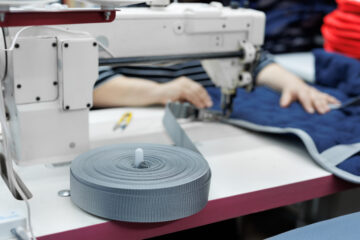
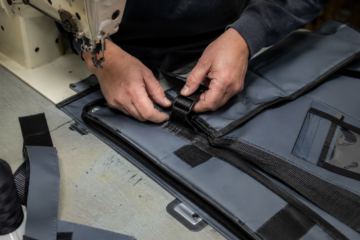
Next, each piece is stitched together according to the approved construction. Skilled sewers follow standardized steps, checking for thread tension, seam alignment, and reinforcement where needed.
Depending on your product, this may include:
- Adding zippers, snaps, or closures
- Lining or edge finishing
- Embroidery or logo applications
- Pocket assembly or foam inserts
Some operations are done by hand, others by industrial sewing machines specialized for heavy-duty or delicate stitching.
Quality Control and Finishing
As the product nears completion, it’s inspected for defects, consistency, and completeness. Quality control may involve spot-checking dimensions, testing functionality, and reviewing packaging and labeling accuracy. This also includes checking compliance with Federal Trade Commission laws, such as the Textile Fiber Rule. Approved units are then packed, polybagged (if needed), and prepared for shipment.
Key Decisions You’ll Make as the Buyer
As the brand, you play a central role in shaping the production process. Here are a few key areas where your choices matter:
- MOQ (Minimum Order Quantity): Can affect pricing, lead time, and material sourcing
- Production Location: Domestic vs. overseas influences cost, timeline, and logistics
- Lead Times: Typically 4–8 weeks, depending on volume, complexity, and factory capacity
- Packaging Requirements: Retail-ready or bulk-packed? Branded inserts or basic tags?
- Compliance and Certifications: Especially important if selling in regulated markets
If you’re unsure about these factors, a full-service partner like Softline can help guide you through the decision-making process.
Why Some Brands Choose Cut-and-Sew Over Private Label
Brands often ask: why not just private-label an existing product?
Cut-and-sew allows you to:
- Create something original
- Control quality and construction
- Customize details and materials
- Own your design IP
- Build long-term brand equity
It’s more involved, but the result is a product that’s uniquely yours.
Final Thoughts: Cut-and-Sew Is Where Ideas Become Real
Cut-and-sew manufacturing is where your idea takes shape. It’s the point in the process where design meets reality, and a good partner can make all the difference. When you understand how the process works, you’re better equipped to plan timelines, communicate clearly, and make decisions that protect your product’s quality and your brand’s reputation.
At Softline Brand Partners, we help startups and scaling brands bring soft goods to life, from design and tech packs to sourcing, sampling, and production. Whether you need low-volume U.S. manufacturing or scalable overseas capacity, our team ensures your product is built right from the start. Ready to move from concept to cut-and-sew production? Contact Softline Brand Partners to start your project.