The Economics of Reshoring: When Does Domestic Production Make Financial Sense?
For many soft goods brands, reshoring is a practical response to rising offshore costs, supply chain volatility, and shifting customer expectations. But when does it make financial sense? If you’re comparing quotes between a U.S. cut-and-sew shop and an overseas vendor, the unit price alone won’t tell you the whole story. To make a smart decision, you need a full-picture cost model that includes tariffs, MOQs, freight, cash flow, risk, and speed to market.
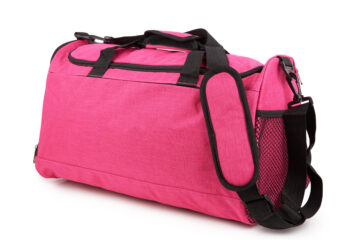
Real-World Cost Breakdown: Crossbody Bag Project
Let’s suppose a soft goods brand wants to launch a new crossbody bag. They source quotes from both a Vietnamese factory they had used before and a domestic U.S. production partner through Softline. Let’s use these figures for our example:
Offshore Manufacturing (Vietnam):
- Quoted unit cost: $8.10
- Freight & inland shipping per unit: $1.75
- Tariff (16% on synthetic bags): $1.30
- MOQ: 800 units ($6,480 upfront)
- Total landed unit cost: $11.15
U.S.-Based Manufacturing (Softline partner):
- Quoted unit cost: $12.75
- Domestic freight per unit: $0.65
- MOQ: 250 units ($3,187.50 upfront)
- Total landed unit cost: $13.40
Yes, the U.S.-based production costs $2.25 more per unit. However, it cut the brand’s upfront investment by nearly 50%, allowing them to launch with less risk, validate demand, and iterate without being locked into a large inventory commitment.
Factors That Shift the Math in Favor of Reshoring
Factors that shift the math include the following.
Lower Inventory Risk
Offshore factories often require high MOQs to hit price targets. That ties up capital and increases the chances of excess stock. Domestic manufacturing enables smaller, staged runs, reducing overproduction and improving forecasting. For brands working on seasonal collections or testing new categories, reshoring helps minimize financial exposure.
Shorter Timelines = Faster Payback
Long lead times add hidden costs. A 90–120 day production and shipping window can delay cash flow, extend your breakeven point, and push launch dates into the wrong season.
With domestic production, lead times are often 30–60 days. That extra 4–6 weeks can let you:
- Launch before a holiday or gifting window
- Pivot faster based on sales data
- Reinvest profits from your first batch into follow-up inventory
Faster turnaround means faster revenue.
Quality Control and Lower Rework Costs
US-based manufacturing partners can also help spot design or material issues before your product hits the sales floor. This reduces the need for reworks and the likelihood of customer returns. Higher-quality output meant fewer complaints, better customer reviews, and stronger retail relationships.
When Reshoring Might Not Make Sense
Even in a time of high tariffs, reshoring isn’t always the best choice. For certain products and business models, offshore manufacturing still offers advantages. These include:
- Low-cost promotional items where price sensitivity outweighs margins
- Ultra-high-volume products where tooling amortization brings long-term cost savings
- Products that use materials that are only available or affordable through offshore sources
- Long-term factory relationships with proven consistency
In these cases, Softline helps brands design hybrid strategies, using U.S. manufacturing for early runs or premium SKUs, and shifting overseas for scale once demand is proven.
What Softline Looks At in a Reshoring Feasibility Review
Every product and brand is different. When evaluating whether reshoring makes financial sense, we guide clients through:
- Product complexity and labor hours
- Material sourcing from both domestic and international sources
- MOQ flexibility and cash flow considerations
- Customer perception and brand positioning
- Total landed cost vs. total value returned
We help brands model outcomes across different sourcing scenarios so they can make smart, strategic decisions.
Partner with Softline!
The economics of reshoring are about more than price tags. For the right products, reshoring can improve cash flow, reduce risk, increase speed, and strengthen brand trust. If your brand is growing, launching something new, or exploring how to balance cost with flexibility, U.S.-based production could unlock a better business model. Contact us today to learn more about reshoring your soft goods production process.