Why Do Factories Have Minimum Order Quantity (MOQ)?
If you are launching a new product, one of the first manufacturing terms you will likely hear is MOQ, or minimum order quantity. For startups, MOQ can feel like an immediate obstacle. You may still be testing demand, refining your design, or trying to avoid tying up too much cash in inventory, so being told that a factory requires a minimum order can sound like bad news. In reality, minimum order quantity is a practical part of how factories manage materials, labor, machine setup, and production efficiency. Whether you are developing leather goods, bags, accessories, or other sewn products, every production run comes with fixed costs that exist before the first unit is made. Understanding the meaning of MOQ and why factories use it can help startup founders make smarter sourcing decisions, build more realistic budgets, and find manufacturing partners that fit their stage of growth.
What Is Minimum Order Quantity?
Minimum order quantity is the smallest number of units a factory is willing to produce in a single order. You will often see it shortened to MOQ.
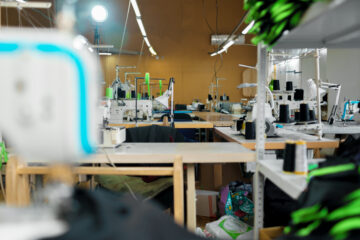
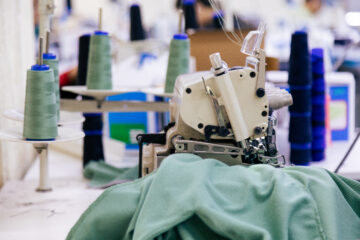
Factories set a minimum order quantity because even small runs require many of the same production steps as larger ones. A manufacturer still has to source materials, prepare patterns, schedule labor, set up equipment, and manage quality control. If the order is too small, those fixed costs can outweigh the value of the project.
For startups, MOQ is more than a manufacturing term. It is a number that can directly affect your product budget, inventory strategy, and pricing model. The sooner you understand it, the easier it becomes to plan your first production run.
Why Do Factories Have MOQs?
Factories have MOQs because production has baseline costs that do not disappear when the order volume is small. Before a single product is made, the factory has already invested time and resources into preparing for the run.
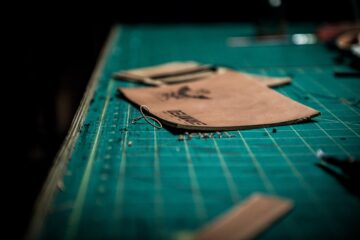
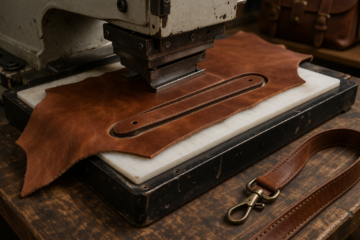
In leather goods manufacturing, for example, a factory may need to source hides, linings, trims, hardware, and packaging materials before production can even begin. Depending on the product, the team may also need to coordinate cutting, stitching, edge finishing, assembly, and final inspection. Those steps take time, whether the order is for 50 units or 500.
Minimum order quantities help factories spread fixed costs across more units, reduce downtime between runs, and keep production efficient. From the factory’s perspective, MOQ is what makes a project financially workable.
What Factors Affect MOQ?
Minimum order quantity is not random, and it is not the same for every product. MOQ is usually shaped by a mix of material requirements, product complexity, and factory operations.
One major factor is sourcing. Leather, linings, hardware, labels, and packaging are often purchased in bulk, and some suppliers have their own minimums. If your product uses custom colors, specialty finishes, or custom hardware, the MOQ may go up.
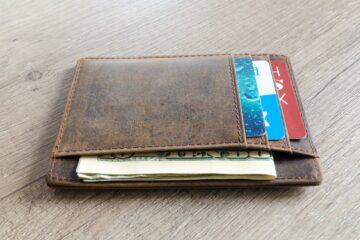
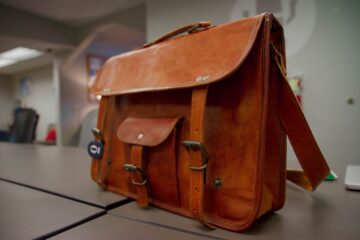
Product design also matters. A simple card holder usually has a different MOQ than a structured leather bag with multiple panels, branded hardware, and a more complex construction process. The more customized the product, the more setup and coordination the factory may need.
The factory’s business model matters too. Some manufacturers are built for high-volume production, while others are better suited to lower-volume or more flexible runs. That is why startups often benefit from working with a sourcing or manufacturing partner who can help identify the right fit.
Why MOQ Can Benefit Startups
At first glance, minimum order quantity can feel like a barrier for small brands. However, it can create a few real benefits. A higher order quantity often lowers the cost per unit. When setup, labor, and overhead are spread across more pieces, the overall economics improve. That can help startups protect margins or price their products more competitively.
MOQ can also improve consistency. Longer, more stable production runs often lead to more uniform quality across units. For early-stage brands trying to build trust with customers, consistency matters.
It can also encourage stronger planning. When founders understand MOQ early, they are more likely to think carefully about demand forecasting, launch timing, cash flow, and inventory decisions before production starts.
How Startups Should Plan Around MOQ
For startups, understanding MOQ is crucial to production success. Start by asking the right questions. Does the MOQ apply per style, per color, or per material? Can multiple variations be grouped into one run? Is there a simpler version of the product that would lower the production threshold? In some cases, a few small design or sourcing adjustments can make a big difference.
It is also important to look beyond the lowest quoted price. A lower cost per unit does not always mean a better manufacturing fit if the MOQ is too high for your current stage. The right partner should be able to explain what is driving the MOQ and whether there is any flexibility in the production plan.
How Softline Brand Partners Can Help
At Softline Brand Partners, we help startups and growing brands make sense of the manufacturing process before costly decisions are made. Minimum order quantity is just one piece of the bigger picture, but it is one that can affect sourcing, pricing, inventory, and launch strategy.
Whether you are developing leather goods, accessories, bags, or other sewn products, we help brands evaluate product complexity, sourcing needs, and factory options with more clarity. With access to both domestic and overseas manufacturing partners, our team can help you find a production path that supports your product vision and your stage of growth.
If you are trying to understand what is realistic for your first production run, Softline Brand Partners can help you move forward with more confidence.