Collaborative Manufacturing: How Brands and Factories Co-Create Market-Ready Products
In the traditional manufacturing model, factories receive a tech pack, quote the cost, and produce exactly what’s specified. It’s fast, predictable, and often rigid. But when a brand is still refining its idea, when design details are evolving, or when product goals extend beyond mass production, that transactional model can fall short. Collaborative manufacturing addresses these issues, allowing for early partnership to create the perfect market-ready products. Here’s what that process can look like.
From Idea to First Sketch: Building Together from Day One
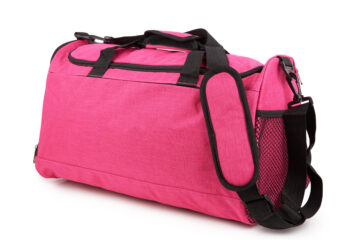
One startup brand came to us with a challenge: design and produce a line of modern utility bags for creatives on the move. They had a strong vision but no finalized patterns or materials. Instead of asking them to deliver a polished tech pack up front, we entered the process earlier as collaborators.
Together, we develop a design brief based on their brand and customer use cases. Then, we work together to source materials that align with price targets, aesthetics, and functionality. By the end of the first two weeks, we have a shared foundation that includes more than just files and specs, but a comprehensive understanding of product strategy.
Sampling as Problem-Solving, Not Just Proof
In a transactional model, samples are pass/fail checkpoints. Alternatively, in a collaborative model, they’re tools for discovery. We worked through two rounds of samples with this client, focusing on refinements that could improve performance and lower production costs.
For example:
- A pocket panel was redesigned to reduce stitch count without losing functionality
- A new zipper source helped improve durability without changing the silhouette
- Slight edge refinements made the bags more comfortable to carry and easier to assemble
Throughout the sampling process, the goal is to create the perfect design, not just one that works.
Forecasting for Flexibility
With the product line ready to move into manufacturing, we worked with the client to model different production scenarios. Their challenge: they wanted to scale, but they didn’t yet know which SKU or colorway would lead.
Together, we mapped out a tiered production plan that includes a small first run across all SKUs to test the market and built in agility to scale up top performers fast. This kind of planning is only possible when development and manufacturing are tightly aligned and when both parties share an investment in long-term brand growth.
The Results: More Than a Bag, a Launchpad
In the end, the product functioned beautifully, was delivered on time, and reflected the brand’s identity in every detail. Because we co-created it, the final result was the realization of the original vision, translated through practical development.
Why It Matters for Modern Brands
Today’s soft goods brands are building more than products. They’re building experiences, stories, and customer relationships. To support that kind of brand building, manufacturers need to be more than production arms. They need to be partners.
Partner with Softline!
At Softline, we’ve built our model around these principles because we know the best products are rarely created in isolation. Contact us today to explore a partnership-based approach to soft goods manufacturing.